

TRANSPORTATION INDUSTRY WASTE MANAGEMENT

Driving better waste outcomes for the transportation industry

From maintenance facilities to transportation hubs, Reworld helps manage waste safely, efficiently, and compliantly.
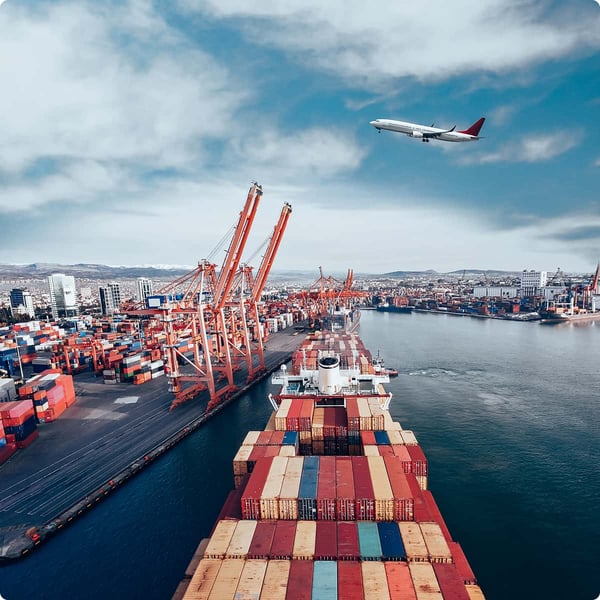
Transportation industry scene, airplane flies above shipping port.

Start With What You Need to Dispose of

We help transportation companies safely manage waste streams generated through vehicle maintenance, facility operations, equipment servicing, and infrastructure projects.

Used Oil & Lubricants

Generated from fleet maintenance operations, including motor oil, hydraulic fluids, and lubricating oils.

Wastewater

Produced during vehicle washing, equipment cleaning, and maintenance activities.

Oil-Contaminated Absorbents

Used pads, socks, booms, and absorbent materials generated during maintenance and spill response.

International & Regulated Waste

Waste from international routes, including APHIS waste, that requires specialized handling.

Chemicals & Maintenance Materials

Unused and expired cleaning products, maintenance chemicals, and off-specification materials.

Packaging & Recyclables

Cardboard, paper, plastics, shrink wrap, metal containers, and other packaging materials

Non-Hazardous Industrial Waste

General facility waste, maintenance debris, and operational byproducts.

Other Transportation Waste

Not sure how to classify it? Describe the material and we’ll route it.

A Trusted Partner for Complex Transportation Operations

Transportation organizations rely on Reworld to simplify waste management, improve environmental performance, and support day-to-day operational excellence.

Operational Reliability

Dependable transportation, scheduling, and service support help minimize disruptions to your business.

Sustainable Solutions

We prioritize recycling, resource recovery, and landfill diversion opportunities whenever possible.

Regulatory Confidence

Our team helps ensure waste is managed in accordance with applicable environmental and reporting requirements.

Scalable Programs

Whether supporting a single maintenance facility or a nationwide transportation network, we provide solutions that grow with your organization.

Wide Geographic Coverage

A broad network of facilities and transportation assets allows us to support operations across multiple locations.

Single-Source Simplicity

Integrated services reduce the need to coordinate multiple waste vendors and providers.

From Pickup to Final Treatment, We Keep Waste Moving

Our streamlined process reduces complexity, minimizes risk, and helps transportation organizations keep operations on schedule.

Site Assessment & Waste Review

  • We identify waste streams, operational requirements, and sustainability objectives.

icon-truck

Collection & Transportation

  • Our team coordinates safe collection, container management, and reliable transportation.

Treatment Options

  • Waste is directed to the most sustainable solution available, including recycling, recovery, treatment, or disposal.

Reporting & Compliance Documentation

  • We provide manifests, certificates, and reporting tools to help support regulatory compliance.

Recovering value from waste

To avoid landfill disposal, Reworld helps route materials toward beneficial reuse, oil recovery, re-refining, wastewater treatment, evaporation, or alternative fuel pathways.

  • Beneficial reuse
  • Oil recovery and re-refining
  • Wastewater treatment and evaporation
  • Alternative fuel blending

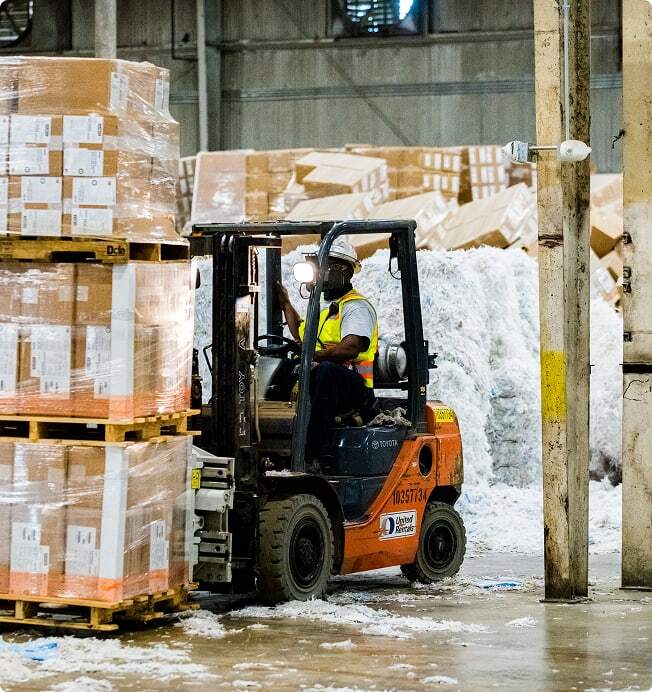
 Forklift moves waste in Reworld facility.

Transportation Waste Management FAQs

Explore helpful information about our services, accepted waste types, processes, and reporting capabilities.

Transportation waste refers to the byproducts and discarded materials generated by vehicles, equipment, and facilities across sectors like aviation, shipping, rail, freight, and logistics. This includes hazardous and non-hazardous waste produced during fueling, maintenance, and operations.

Common transportation waste includes used oil and lubricants, oily water, antifreeze, fuel residues, solvents, tires, batteries, air filters, brake pads, and packaging materials. Specialized sectors like aviation and maritime may also generate food waste, sewage, and chemical waste.

If not properly managed, transportation waste can pollute air, soil, and water, harm wildlife, and contribute to greenhouse gas emissions. Leaks, spills, and improper disposal of hazardous materials pose serious environmental and public health risks.

Transportation waste is collected, segregated, and treated through processes such as recycling, incineration, or chemical neutralization—depending on material type and regulatory requirements. Reworld™ ensures full compliance and documentation for every step.

Cruise ships and airports use specialized systems and partners like Reworld™ to manage large volumes of regulated waste—often called APHIS waste— including sewage, food scraps, recyclables, oils, and hazardous materials. These facilities must comply with strict international, federal, and state environmental standards.

Professional waste management improves safety, reduces liability, ensures regulatory compliance, and helps transportation companies meet sustainability goals. Reworld™ delivers reliable, scalable solutions that minimize downtime, protect the environment, and support ESG performance.

Ready to Simplify Transportation Waste Management?

Partner with Reworld to streamline waste handling, improve sustainability performance, and keep your operations moving. Request a customized quote today.