


Waste Management Industry Trends: 10 Things to Consider for 2026 (& Beyond)
As environmental pressures mount, technology evolves, and industries face increasing pressure to operate responsibly, waste management has expanded far beyond disposal. It has become a cornerstone of corporate strategy and is directly tied to efficiency, compliance, and environmental stewardship. From manufacturing floors to healthcare facilities, we’re rethinking how waste is managed, monitored, and monetized.
Technology, policy, and sustainability are converging to redefine what’s possible in the waste management sector. Today’s organizations aren’t just focused on meeting regulations but on creating measurable value from every ton of waste diverted, reused, or repurposed.
Trends in sustainable waste management are leading the way to a smarter, more circular economy—one where innovation, accountability, and environmental impact work hand in hand.
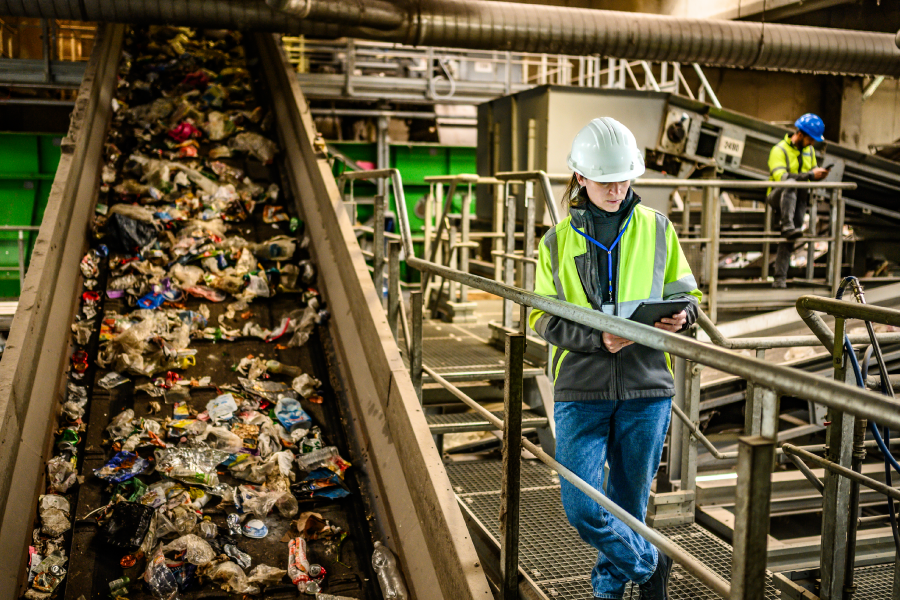
The next phase of progress in waste management will be defined by precision, intelligence, and integration. As 2026 approaches, regulatory mandates are tightening, automation is accelerating, and sustainability expectations are expanding across every industry. The companies that succeed must adapt as well as anticipate by leveraging data, technology, and partnerships to transform waste into a resource and compliance into a competitive advantage.
Here are the emerging trends that will drive sustainable waste management forward in the years to come.
1. New Regulations and Industry Requirements
Major regulatory changes in 2026 are reshaping how organizations manage waste, accountability, and reporting. California’s SB 54, for instance, represents a landmark shift in packaging responsibility by requiring manufacturers and distributors to use solely recyclable or compostable packaging by 2032. Across the country, new laws are setting higher bars for transparency and traceability that are prompting organizations to carefully document recycling rates, recovery efforts, and material outcomes.
Globally, the European Union’s Carbon Border Adjustment Mechanism (CBAM) introduces new emissions accounting standards for companies engaged in international trade. Meanwhile, the Corporate Sustainability and Reporting Directive (CSRD) now requires more than 50,000 companies worldwide to disclose detailed environmental, social, and governance (ESG) data, bringing environmental and social responsibility to the forefront of corporate accountability.
In the U.S., expanding Extended Producer Responsibility (EPR) laws are driving similar expectations. According to Brett Stevens, Sr. Director of Solutions at Reworld™, “Many companies now come to the table with publicly stated sustainability goals, the most common being a zero-waste-to-landfill mandate.” These evolving frameworks are pushing organizations to rethink compliance as a strategic function, not just an operational task.
To stay ahead, leading companies are implementing robust digital tracking systems, integrating sustainability metrics into enterprise reporting, and aligning compliance with long-term business performance. What once felt like regulatory pressure is increasingly becoming a driver of innovation and a force propelling the industry toward measurable, transparent, and verifiable environmental progress.
2. Intelligent Waste Analytics and Operations
The convergence of artificial intelligence (AI) and Internet of Things (IoT) sensors is redefining what’s possible in waste management. Today, technology is the foundation for predictive, intelligent, and sustainable operations. In 2026 and beyond, smart systems will move far beyond simple waste tracking to offer real-time analytics that help businesses anticipate waste generation, optimize resources, and identify new opportunities for value recovery.
According to the World Economic Forum, digital technologies could help reduce global carbon emissions by up to 20% by 2050. This potential is now being realized in tangible ways. Manufacturers are using AI-driven data to reduce material losses before they occur, while healthcare and food sectors are leveraging connected sensors to maintain compliance, prevent contamination, and reduce waste directly at the source. Stevens notes, “It’s one thing to make sure the waste is actually moving, but it’s another to make sure you can see it—how many tons went where, what the total spend was, and what rebates you earned on that stream.”
These insights underscore a defining shift: Digital transparency has become the new baseline for sustainable operations. As AI and analytics continue to evolve, companies will gain unprecedented control over their environmental impact and begin turning data into actionable intelligence that drives both performance and progress.
3. Automated Compliance Management
There is a growing expectation for transparency and accountability across every link in the waste management chain. Stevens explains, “Customers expect proof—scale tickets, certificates of recycling, anything that demonstrates compliance. The challenge is that not every vendor can meet those proof-of-performance requirements.” As a result, in 2026, automated systems will move beyond tracking waste volumes to managing the entire compliance process, from documentation to reporting. These intelligent platforms will deliver real-time updates, automatically generate regulatory paperwork, and integrate proof-of-performance directly into client dashboards.
Healthcare facilities will see dramatic improvements as AI-powered systems manage medical waste disposal in line with evolving regulations. Meanwhile, manufacturers will rely on automation to handle hazardous materials more safely and efficiently, reducing the risk of human error. In sectors like food and beverage, advancements in automated monitoring and data integration are simplifying compliance with organic waste regulations.
As regulatory landscapes grow more complex, automation is emerging as the key to maintaining compliance and gaining a competitive edge. These tools make it possible for organizations to achieve sustainability goals with precision.

4. Circular Economy Solutions
Leading organizations are embracing circular economy principles to turn waste streams into sources of value. Rather than viewing disposal as the end of the line, companies are designing systems that recover, reuse, and repurpose materials across every stage of production and consumption. Metal manufacturers are deploying advanced recovery technologies that convert scrap into high-quality raw materials, while food and beverage companies are transforming organic waste into energy. Distribution centers are building closed-loop packaging systems, and healthcare facilities are safely reprocessing select medical supplies to minimize waste and maximize efficiency.
Stevens emphasizes that the most successful strategies are “agnostic” about where waste goes and prioritize outcomes over ownership. “If it makes sense to depackage and recover materials, we’ll do that. If it’s better suited for energy recovery, we’ll go that route,” he explains. This pragmatic, results-first approach means every decision aligns with the most sustainable and economically viable option.
These initiatives reduce disposal costs while creating new revenue opportunities, strengthening supply chain resilience, and demonstrating measurable progress toward circularity. For organizations leading this shift, waste becomes a resource.
5. Smart Collection and Transportation
The traditional scheduled pickup model is being replaced by intelligent, demand-driven collection systems. Smart compactors and fill-level sensors now automatically trigger pickups when needed, optimizing transportation routes and reducing both costs and emissions. These innovations are proving especially valuable in sectors like healthcare, where storage limits for medical waste are tightly regulated, and in food and beverage operations managing large volumes of organic material.
Stevens notes that efficiency is about collection frequency as well as logistics. “When your transportation distances stretch out, not only does disposal get more expensive, but so does the transport,” he explains, referencing the growing costs tied to long-haul waste routes. By leveraging data from connected sensors, facilities can minimize unnecessary pickups, maximize truck capacity, and ensure that every route serves a real need.
This smart logistics model improves service reliability and advances sustainability objectives. Reducing fuel consumption, optimizing storage utilization, and eliminating idle trips helps organizations achieve tangible environmental and financial benefits as well as redefine waste transportation as a strategic function rather than a routine service.
6. ESG and Real-Time Reporting
As ESG accountability continues to accelerate, waste management is taking center stage as a measurable driver of progress. In 2026, real-time reporting powered by smart waste tracking systems will allow organizations to gather actionable insights, generate automated ESG metrics, and deliver transparent results to stakeholders, all from a single data-driven platform.
“You can’t report what you can’t see,” Stevens explains. “Data from your waste management vendors forms the basis for any reporting.” He adds, “We’ve built lifecycle analyses (LCAs) comparing the greenhouse gas emissions from waste-to-energy versus landfilling. It’s the sustainability equivalent of showing your work in math class.”
This visibility is transforming how organizations measure and communicate impact. With verifiable data in hand, companies can confidently showcase progress in reducing carbon footprints, improving waste diversion, and advancing circular economy goals.
And as consumer and investor scrutiny rises, transparency is a strategic advantage. Products with ESG-related claims have accounted for 56% of all market growth from 2019‒2023, underscoring a simple truth: Companies that invest in credible reporting and sustainable action are leading the market.
7. Cross-Industry Resource Optimization
The rise of digital marketplaces is enabling a new era of cross-industry collaboration, where one facility’s waste becomes another’s raw material. These industrial symbiosis networks are expanding rapidly, creating efficient pathways for reusing packaging materials, converting organic byproducts into energy sources, and redirecting chemical waste into manufacturing feedstocks. What was once seen as excess is now being reclassified as opportunity.
Stevens describes this shift as part of a broader movement toward total waste management, where “companies are playing air traffic control on where the waste should go.” Environmental service providers are playing a pivotal role in orchestrating these exchanges and confirming that every transfer meets regulatory requirements while supporting greater resource recovery.
As these systems evolve, industries are discovering tangible financial and environmental gains through shared infrastructure. The outcome is a more connected, circular economy where collaboration replaces competition in the pursuit of sustainability.
8. On-Site Processing Innovation
Compact and efficient waste processing technologies are ushering in a new era of on-site treatment across industries. These systems minimize transportation costs, cut emissions, and enhance security for sensitive or regulated waste streams. As sustainability goals become more ambitious, organizations are realizing that processing closer to the source often delivers the most control, safety, and value.
Some companies are taking this a step further by embedding dedicated waste management professionals directly on-site to oversee materials, coordinate pickups, and ensure compliance in real time. Stevens describes it vividly: “It’s like having a mole inside the building, someone who hears about issues right away and can act immediately.”
This model is gaining momentum across sectors. Food and beverage operations are processing organic waste on-site for conversion into energy or compost. Healthcare facilities are treating select medical waste categories safely within their own walls. Manufacturers are reclaiming valuable materials directly from production floors. These embedded programs are earning recognition for responsiveness and efficiency and combining real-time visibility with proactive problem-solving.
Looking ahead, the integration of AI-driven technologies from smart sensors to predictive analytics will continue to expand the reach of on-site waste innovation, supporting everything from precision agriculture to industrial resource recovery.
9. Total Waste Management (TWM) Ecosystems
The waste management industry is undergoing a major transformation toward total waste management (TWM) ecosystems—integrated approaches where a single provider oversees all waste streams within a facility. By consolidating vendors, data, and compliance under one accountable partner, organizations can reduce complexity, improve transparency, and strengthen sustainability performance.
“The model is changing to where one company is responsible for the entirety of a facility’s waste program,” Stevens explains. “In the past, a single manufacturing facility might have 15 or 20 different waste vendors to manage.” Centralized coordination simplifies not only logistics but also reporting and allows companies to access complete visibility into waste volumes, costs, and recovery outcomes.
This integrated, data-driven approach means that sustainability and efficiency are no longer competing priorities but rather built into the same system.
10. Alternative Engineered Fuels (AEF) and Energy Recovery Innovation
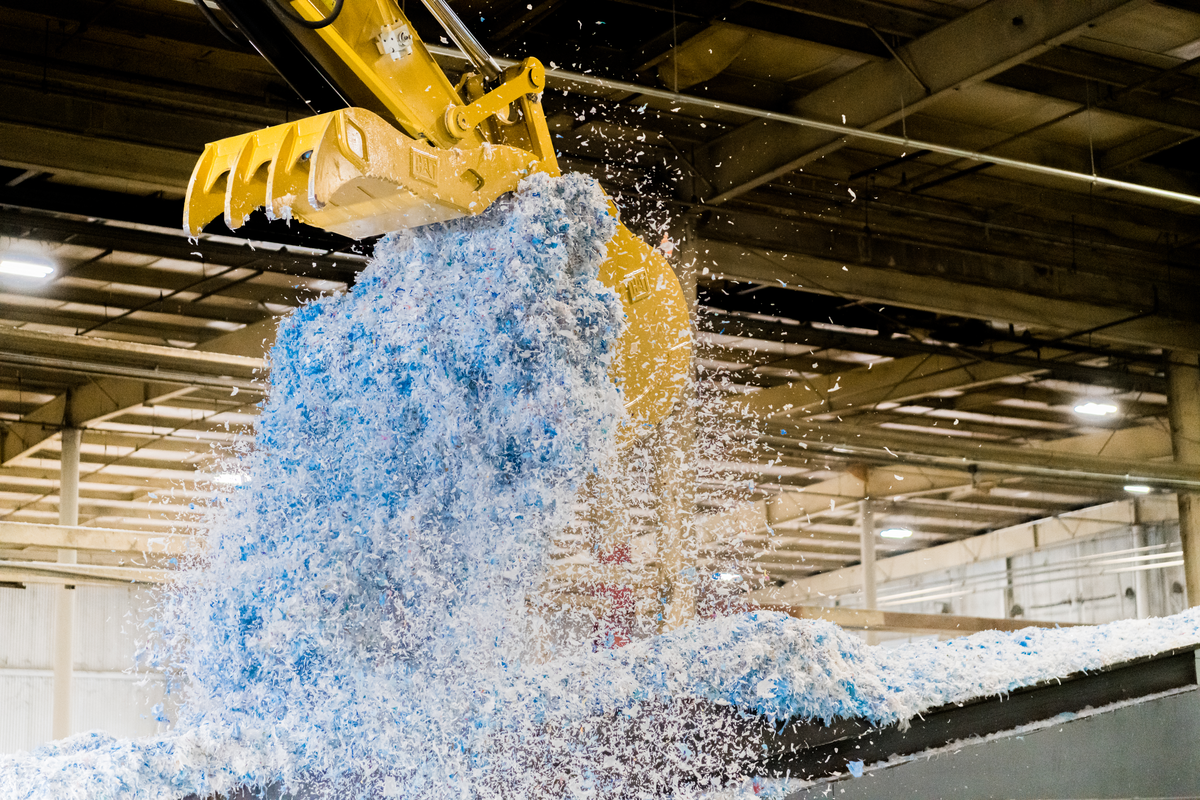
Beyond traditional waste-to-energy models, alternative engineered fuels (AEF) are emerging as one of the most promising innovations in sustainable waste recovery. These fuels are produced by blending specific waste materials to create a high-performance substitute for coal that offers an immediate, circular alternative for energy-intensive industries such as cement and steel manufacturing.
For example, as Stevens describes, “We make a waste blend that burns and behaves just like coal. It’s used as a replacement fuel in cement kilns, which are among the largest polluters in the world.” With AEF made from non-recyclable materials, organizations can significantly reduce their reliance on fossil fuels, cut carbon emissions, and divert waste from landfills.
“Cement kilns no longer have to extract coal from the ground. They can power their facilities with waste,” Stevens adds, describing AEF as the “next best thing” to conventional waste-to-energy that often achieves even greater sustainability benefits. As industries seek scalable, low-carbon energy alternatives, AEF represents a practical and impactful bridge between waste reduction and renewable energy production.
Looking to the Future of Waste Management
The future of sustainable waste management will be defined by how effectively organizations integrate innovation, compliance, and circular thinking into one cohesive strategy. As we move through 2026 and beyond, success will hinge on building intelligent systems that manage waste while creating measurable environmental and economic value from it.
AI technology, automation, and advanced analytics will continue to transform waste programs from reactive operations into predictive ecosystems. New regulations will push industries to design waste reduction into their processes from the start, while expanding ESG frameworks will hold companies accountable for transparent, data-backed performance. In this environment, waste is now viewed as an opportunity to recover resources, strengthen brand trust, and contribute meaningfully to a more circular economy.
The organizations that thrive will be those that see sustainability as strategy, not sentiment. By embracing innovation, aligning with evolving regulations, and partnering with trusted experts, they’ll turn complex waste challenges into lasting environmental impact, driving measurable results and shaping a smarter, more sustainable world.

The Future of Sustainable Waste Management: FAQs
What Are the Latest Trends in Waste Management for 2026?
Key waste management trends include the rise of AI-driven analytics, automated compliance systems, and total waste management ecosystems. Organizations are embracing circular economy practices, implementing smart sensors for on-demand collection, and using digital platforms for real-time ESG reporting. These innovations are transforming waste into a measurable source of value.
What Is the Biggest Problem with Waste Management?
The most pressing challenge in the waste management sector is the fragmentation of systems and accountability. Many organizations still manage waste streams through multiple vendors and disconnected data sources, which makes compliance, reporting, and optimization difficult. Consolidation and data integration are critical to solving this issue.
How Can We Improve Waste Management?
Improvement starts with visibility and strategy. Businesses can use technology to track waste across its lifecycle, implement predictive analytics to prevent inefficiencies, and align with partners who prioritize sustainability and compliance. The goal is to transform waste management from a reactive process into a proactive system that creates measurable outcomes.
What Does the Future of Waste Management Look Like?
The future is intelligent, interconnected, and circular. Waste management will evolve into a fully data-driven ecosystem that merges automation, sustainability, and regulatory compliance. Companies that adopt this mindset will not only meet environmental goals but also unlock operational efficiencies and competitive advantages.
What Role Does the Circular Economy Play in the Future of Waste Management?
The circular economy is at the center of sustainable waste strategies. It encourages organizations to repurpose materials, extend product lifecycles, and recover energy from waste. By designing for reuse rather than disposal, industries can reduce dependency on raw resources while cutting emissions and costs.
How Do New Regulations Impact the Future of Waste Management?
Expanding global and state-level regulations, such as EPR laws and carbon disclosure mandates, are making compliance more complex but also more transparent. In 2026, regulatory alignment will drive innovation, prompting companies to invest in automation, reporting, and more sustainable waste practices.
Is the Waste Management Industry Growing?
Yes. The industry is experiencing steady growth driven by stricter environmental policies, rising ESG expectations, and increased demand for resource recovery. As waste becomes more valuable, new markets are emerging for recycling, alternative fuels, and energy recovery technologies.
What Is the Outlook for the Waste Management Sector?
The outlook is strong and transformative. The waste management sector is evolving into a cornerstone of corporate sustainability by offering integrated solutions that reduce risk, enhance compliance, and create measurable impact. As circular economy models mature, the industry will play a leading role in advancing global decarbonization goals.
What Industries Are Leading in Sustainable Waste Management?
Manufacturing, healthcare, and food and beverage industries are at the forefront. These sectors face high waste volumes and strict compliance requirements, making them early adopters of AI-driven waste analytics, on-site processing, and circular material recovery systems.
How Can Businesses Prepare for Future Waste Management Trends?
Businesses should start by auditing their current waste streams, consolidating vendors, and investing in technology that enhances visibility and automation. Additionally, partnering with experienced providers like Reworld™ provides access to the expertise, systems, and infrastructure needed to turn waste challenges into opportunities for growth and sustainability.
Contact Reworld™ Today for Sustainable Waste Management Solutions
The path to a more sustainable future begins with smarter waste management, and at Reworld™, we’re leading the way. With a nationwide network of facilities, advanced technologies, and decades of industry expertise, we help organizations turn their most complex waste challenges into measurable environmental and business value.
From compliance automation and on-site resource recovery to circular economy solutions and alternative engineered fuels, Reworld™ delivers strategies that minimize risk, reduce costs, and maximize sustainability impact. Every partnership is built on one goal: transforming waste into opportunity while protecting people, businesses, and the planet.
If your organization is ready to take the next step toward a smarter, more sustainable waste management strategy, Reworld™ is here to help. Contact us today to learn how we can design a solution tailored to your goals and help you lead the future of responsible resource management.