



15 Benefits of Sustainable Waste Management
Every product we use, every package we open, and every process we rely on creates some form of waste. What happens to that waste and how we choose to manage it has lasting consequences for our planet, our economy, and our communities.
Sustainable waste management is a system-wide approach to minimizing waste, recovering valuable materials, and designing processes that keep resources in use for as long as possible. By rethinking how waste is handled, we move closer to a circular economy where nothing is truly “thrown away.”
This shift matters because the way we manage waste shapes the world we live in. Poor waste practices pollute waterways, accelerate climate change, and deplete finite natural resources. Sustainable waste management, on the other hand, protects ecosystems, reduces greenhouse gas emissions, and drives innovation in recycling, energy recovery, and material reuse. And the benefits extend far beyond environmental gains: from reducing costs and risks to improving community health and corporate reputation, sustainable waste management delivers measurable value across every part of society.
The benefits of sustainable waste management reach across every dimension of modern life. Environmentally, it protects ecosystems and reduces pollution. Economically, it drives efficiency, innovation, and cost savings. Socially, it strengthens communities and creates jobs while supporting a safer, cleaner world for everyone.
Together, these outcomes form the foundation of a circular economy—one where waste is viewed not as a problem but as a resource—and contribute to a smarter, greener future.
1. Environmental Protection
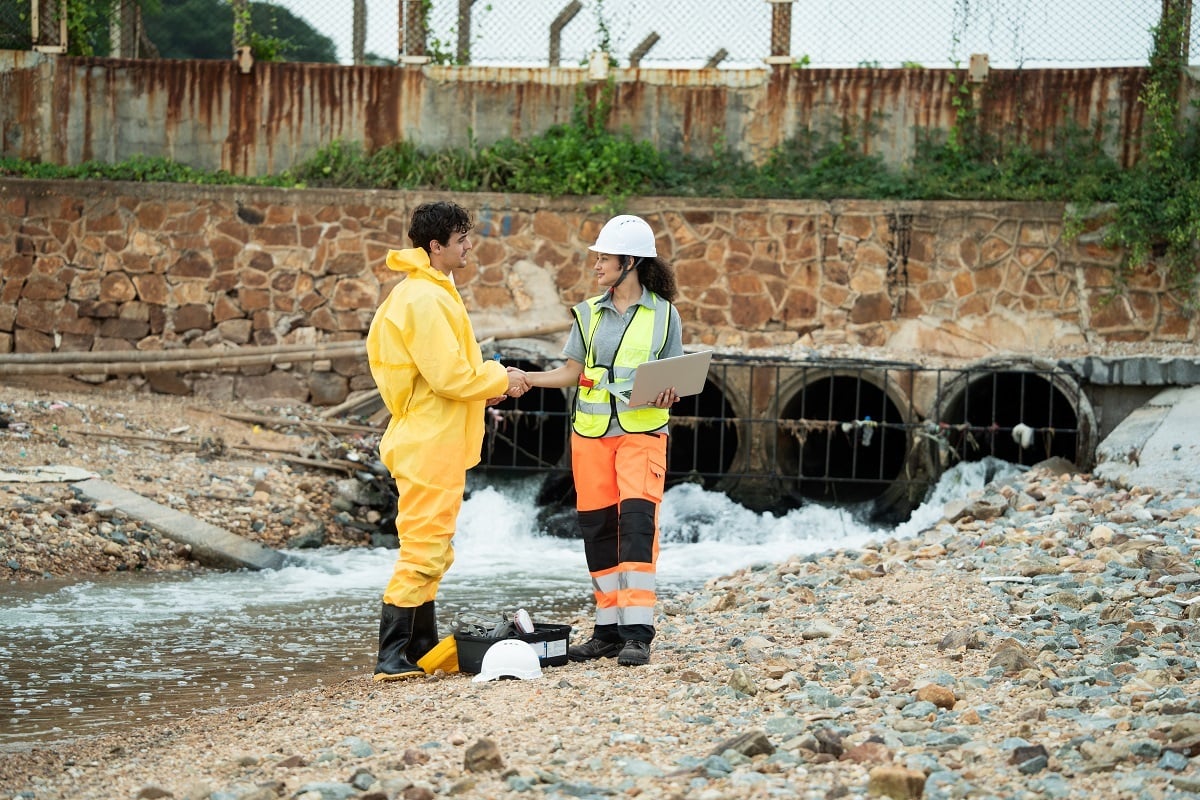
Sustainable waste management exists to protect the environment. Every step of the process, from reducing the amount of waste generated to reusing materials and recovering energy, helps minimize the strain placed on natural ecosystems. When waste is managed responsibly, fewer harmful materials end up in landfills, rivers, and oceans. This prevents soil contamination, reduces water pollution, and preserves habitats that are essential to biodiversity. By prioritizing prevention and recovery over disposal, sustainable waste practices help ensure that natural resources remain available for future generations.
Sustainable waste systems also reduce the environmental footprint of manufacturing and consumption. When materials are recycled or repurposed, fewer raw resources must be extracted, refined, and transported—processes that often release pollutants and degrade ecosystems. This closed-loop approach supports a more circular economy, where products and materials retain their value over time instead of becoming waste. It is an ongoing cycle of conservation that protects the planet by keeping valuable resources in circulation.
2. Greenhouse Gas Reduction
Sustainable waste management plays a pivotal role in reducing greenhouse gas emissions, one of the primary drivers of climate change. Traditional waste disposal methods, particularly landfilling, generate significant amounts of methane, a potent greenhouse gas that is significantly more effective at trapping heat in the atmosphere than carbon dioxide. By diverting organic waste away from landfills through composting, anaerobic digestion, and waste-to-energy technologies, sustainable waste systems drastically cut methane emissions and contribute to global climate goals.
Moreover, recycling and resource recovery reduce the need for energy-intensive production of new materials. Manufacturing products from virgin resources often requires large amounts of energy, much of which comes from fossil fuels. When materials like aluminum, glass, and paper are recycled, the energy savings are substantial compared to producing the same materials from scratch. This reduced energy demand directly translates into fewer emissions of carbon dioxide and other greenhouse gases.
Overall, sustainable waste management addresses climate change from multiple angles. It limits methane release, conserves energy, and supports cleaner production cycles.
3. Resource Conservation
Sustainable waste management is one of the most effective ways to preserve the world’s limited natural resources. Every item that is reused, recycled, or repurposed means fewer raw materials must be extracted from the earth—fewer trees felled, fewer metals mined, and less energy consumed in manufacturing. Metals, plastics, and paper can re-enter the production cycle instead of ending up in a landfill, reducing both waste volume and the demand for virgin inputs. This approach not only extends the lifespan of finite resources but also lessens the environmental degradation tied to extraction and processing. It’s an active step toward balancing the resources we take with the resources we return.
Beyond the environmental impact, conserving resources fosters innovation. Businesses are reimagining product design and packaging to maximize recyclability and minimize waste. Communities are finding new ways to separate, sort, and recover valuable materials that were once overlooked. Each of these efforts contributes to a more efficient, resilient economy, one where resource conservation isn’t a sacrifice but a smarter way to grow sustainably.
4. Less Landfill Waste
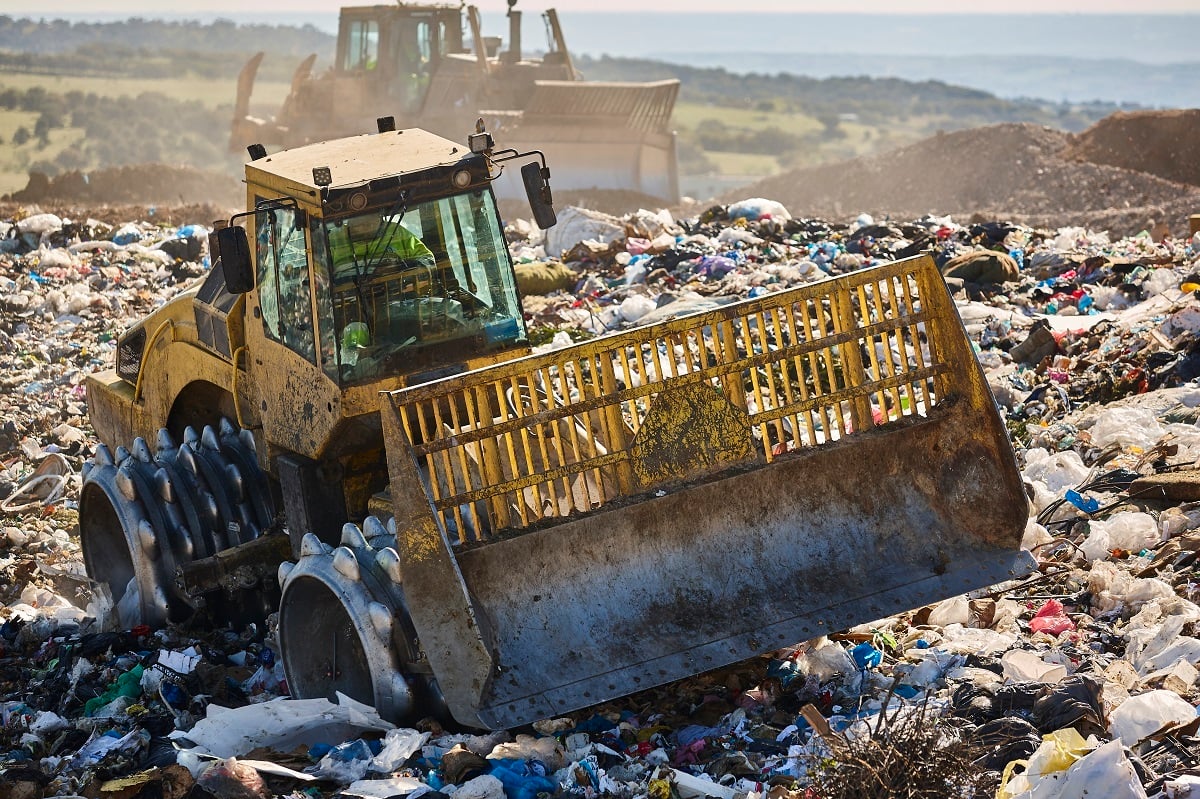
Landfills take up vast amounts of space and pose long-term environmental risks, including groundwater contamination, soil degradation, and methane emissions. As a result, reducing landfill waste is one of the most visible and impactful outcomes of sustainable waste management. By diverting waste away from these sites through recycling, composting, and energy recovery, organizations and communities can dramatically cut down on the volume of material that ends up buried, helping to preserve open land, reduce pollution, and minimize the long-term liabilities that come with landfill management.
Many companies are now setting clear targets to guide their sustainability strategies. As Brett Stevens, Sr. Director of Solutions at Reworld™, explains, “The most common sustainability goal we see is a zero-waste-to-landfill mandate, meaning none of their manufacturing waste can go to landfills.” These commitments push businesses to rethink their waste streams, evaluate every material they generate, and find viable alternatives for recovery or reuse.
However, not every organization is driven purely by environmental goals. Cost considerations often influence waste management decisions. As Stevens notes, some companies “would like to do the right thing for the environment, but it depends on how much it costs.” Even so, the long-term economic and reputational advantages of reducing landfill reliance often outweigh short-term savings. Less landfill waste means fewer compliance risks, lower disposal fees over time, and a stronger position in a world that increasingly values sustainability.
5. Supports the Circular Economy
The circular economy is a model that keeps products, materials, and resources in use for as long as possible. Unlike the traditional “take, make, dispose” system, the circular economy replaces waste with continuous cycles of reuse, repair, and regeneration. When waste is designed out of the process entirely, it turns what was once discarded into a valuable input for new production and creates a closed-loop system where materials maintain their worth and environmental impact is minimized.
A circular approach benefits not only the planet but also the economy itself. Businesses that adopt circular principles find new opportunities in product design, manufacturing, and resource recovery. Materials that would otherwise end up as waste can be transformed into raw inputs for other industries, reducing dependence on virgin resources and stabilizing supply chains. Such collaboration across sectors encourages innovation, strengthens local economies, and reduces vulnerability to market fluctuations tied to resource scarcity.
The circular economy also encourages consumers to rethink their relationship with waste. From supporting companies that prioritize recyclability to embracing products made from recovered materials, every choice contributes to a more regenerative system.
6. Regulatory Compliance and Risk Reduction
Waste regulations at the local, state, and federal levels dictate how materials must be stored, transported, and treated, especially when dealing with hazardous or regulated waste. Failure to comply can lead to costly fines, reputational damage, and environmental harm. Adopting sustainable practices helps organizations meet complex regulatory requirements and minimize risk.
Ultimately, sustainable waste management strengthens regulatory adherence, reduces liability, and builds confidence that waste is being managed responsibly and safely.
7. Enhanced ESG Performance and Reporting
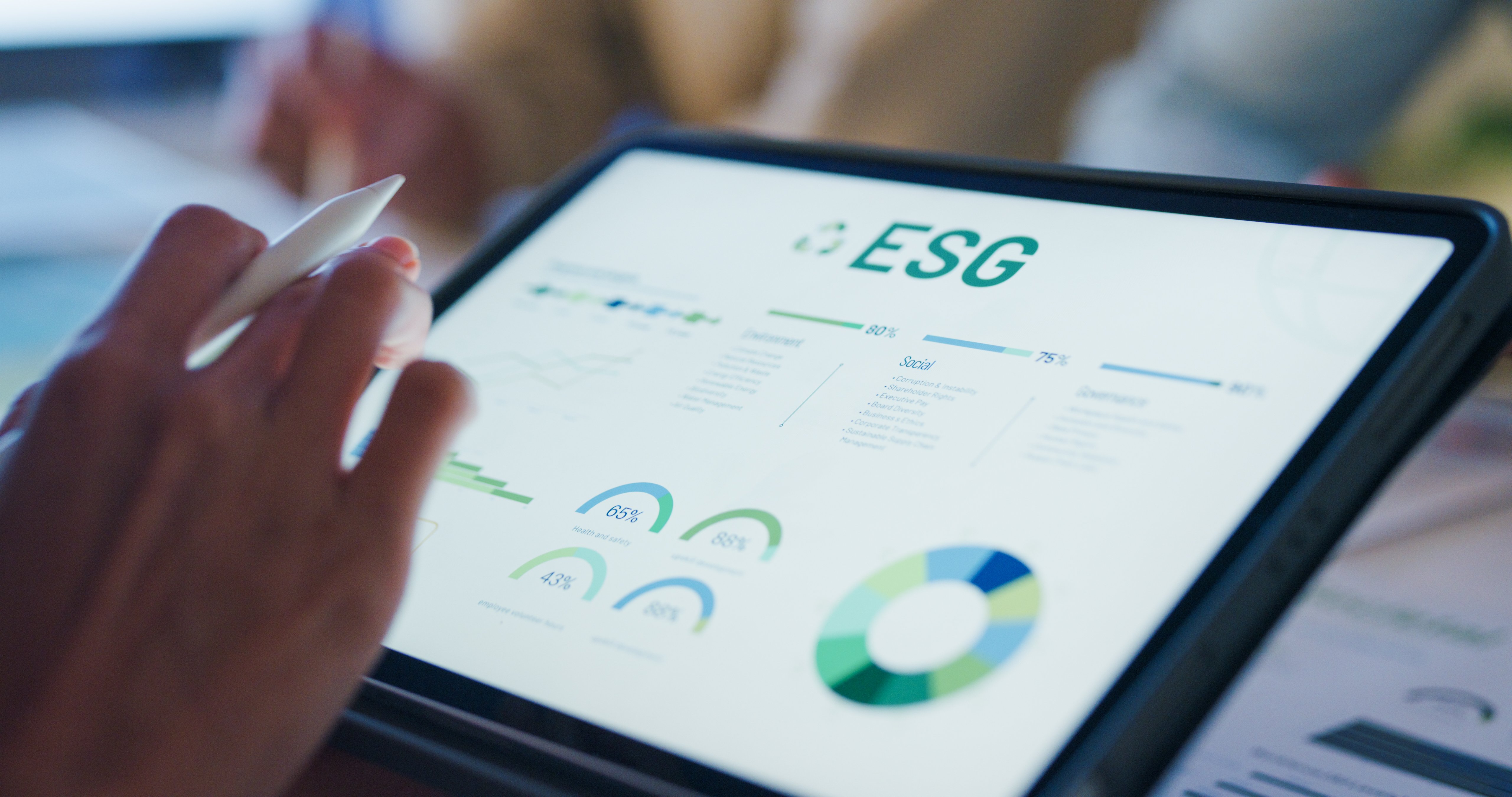
Environmental, social, and governance (ESG) performance has become a defining metric for modern organizations, shaping how investors, customers, and regulators assess long-term value and responsibility. Sustainable waste management directly supports this framework by providing the transparency and data needed to track environmental impact, demonstrate accountability, and verify progress toward sustainability goals. Without measurable waste data, meaningful ESG reporting simply isn’t possible.
Stevens sums it up well: “You can’t report what you can’t see, and so the reporting that comes back from your waste management vendors is the basis for any outward reporting that you would do.” Reliable waste tracking, from tonnage and spend reports to detailed lifecycle analyses, gives companies the ability to quantify how their operations reduce emissions and resource use. These metrics form the foundation for ESG disclosures, allowing stakeholders to see exactly how waste management contributes to environmental performance.
Many sustainable waste partners conduct in-depth analyses that go beyond simple reporting. Lifecycle assessments (LCAs) can compare the greenhouse gas impact of different disposal methods, validating sustainability claims through third-party verification. Some organizations go further by measuring Scope 3 emissions, accounting for every element of waste management.
When done right, waste management becomes a measurable reflection of an organization’s broader commitment to environmental stewardship and transparency.
8. Improved Efficiency
Efficiency is one of the most practical and immediate benefits of sustainable waste management. A well-structured waste management system establishes that resources are used effectively, transportation routes are streamlined, and recycling or recovery happens without unnecessary delays or duplication. By optimizing how materials are collected, transported, and processed, organizations can save time, reduce costs, and improve overall operations.
Together, these practices demonstrate how sustainability and efficiency work hand in hand to create systems that are both environmentally responsible and operationally streamlined.
9. Cost Savings
Sustainable waste management creates measurable financial advantages that go far beyond cutting disposal fees. Reducing waste generation, improving recycling rates, and optimizing logistics can lower operational expenses while achieving long-term stability. Additionally, efficient waste systems minimize the need for costly landfill use, streamline material handling, and reduce the frequency of collection and transportation—all of which directly impact the bottom line.
Waste reduction and recycling initiatives also prevent unnecessary consumption of raw materials, which are often subject to volatile market prices. When materials are reused or repurposed, the cost of sourcing and manufacturing new products decreases significantly. These savings multiply over time, helping businesses protect themselves from supply chain disruptions and resource scarcity. Moreover, as governments and municipalities introduce incentives for sustainable practices or impose penalties for excessive waste, organizations that adopt efficient systems early stand to benefit financially.
Beyond direct cost reductions, sustainable waste management supports strategic cost avoidance. Preventing pollution, maintaining compliance, and promoting a positive public image reduces the risk of fines, lawsuits, and reputational damage.
Overall, these savings represent a powerful return on investment, proving that sustainability and profitability are not opposing goals but complementary drivers of smarter, more resilient business operations.

10. Economic Gains
In many ways, such as creating new markets, fostering innovation, and generating value from materials that would otherwise be lost, sustainable waste management is a driver of economic growth. When waste is viewed as a resource rather than a burden, it opens the door for entire industries centered around recycling, remanufacturing, and resource recovery. These activities stimulate investment in cleaner technologies, more efficient infrastructure, and circular supply chains that strengthen local and global economies.
By improving resource efficiency, sustainable waste practices reduce dependency on imported raw materials and stabilize production costs. Companies that integrate circular systems into their operations gain a competitive edge by lowering input expenses and mitigating risks associated with resource scarcity.
At a broader scale, the transition to sustainable waste systems supports long-term economic resilience. Public and private sectors benefit from lower waste management costs, reduced environmental cleanup expenses, and expanded green employment opportunities. Each dollar invested in sustainable waste infrastructure generates returns across multiple sectors, from manufacturing and logistics to energy and technology.
11. Improved Occupational Health and Safety
Traditional waste practices can involve risks such as chemical spills, air contamination, or improper storage, all of which pose health hazards to employees and surrounding communities. On the other hand, sustainable waste management directly contributes to safer workplaces by minimizing exposure to hazardous materials, improving handling procedures, and promoting cleaner operational environments.
Implementing structured waste systems with clear safety protocols reduces these risks and creates conditions that protect workers from preventable injuries and illnesses.
Beyond immediate safety benefits, sustainable waste management also improves long-term occupational health. Cleaner facilities mean improved air quality, fewer contaminants, and less physical strain associated with waste handling. These improvements reduce absenteeism, boost productivity, and support a more resilient workforce. In this way, sustainable waste management strengthens both the physical safety and overall health of those responsible for keeping operations running every day.
12. Job Creation
Transitioning to a more sustainable system of waste handling fuels significant job growth across multiple sectors. As industries develop new methods to process and repurpose materials, they require skilled workers to operate advanced technologies, engineers to design efficient systems, and sustainability experts to guide responsible practices. From recycling facilities and material recovery centers to research, logistics, and product design, the shift toward sustainability creates employment opportunities at every level of the value chain.
Unlike traditional waste disposal models that rely heavily on landfilling , circular systems involve more hands-on sorting, processing, and innovation. These activities demand a diverse workforce, which stimulates local economies and provides long-term, stable employment.
Beyond direct employment, the green economy supports entrepreneurship and community development. New businesses emerge to meet the growing demand for reuse, repair, and remanufacturing services, while existing companies expand to include sustainability-focused roles.

13. Community Engagement
Building strong community involvement is one of the most transformative outcomes of sustainable waste initiatives. When local residents, businesses, and governments collaborate to reduce waste and promote recycling, sustainability becomes a shared responsibility rather than an isolated goal. Programs such as neighborhood cleanups, composting initiatives, and education campaigns empower individuals to take part in the solution, strengthening civic pride and environmental awareness in the process.
Community engagement also fosters trust and transparency between organizations and the people they serve. When waste management practices are visible and accountable, citizens gain confidence that environmental commitments are being upheld. Public participation in planning and decision-making helps tailor programs to meet local needs, whether that means improving access to recycling facilities or creating incentives for households to reduce waste at the source. This collaboration builds social cohesion while ensuring that sustainability goals are achievable and inclusive.
In many cases, community-based efforts ripple outward, inspiring broader change. When people see the positive impact of their actions—cleaner streets, greener public spaces, and reduced pollution—they’re more likely to support and advocate for sustainable policies. In this way, sustainable waste management becomes a catalyst for community empowerment and long-term environmental stewardship.
14. Positive Social Impact
Responsible waste management creates ripple effects that extend well beyond environmental benefits, shaping healthier, more equitable societies. Sustainable systems reduce pollution and conserve resources, which improve air and water quality—in turn, directly influencing public health and quality of life. Cleaner communities face fewer risks from toxic exposure, while the preservation of natural spaces supports recreation, wellbeing, and local food production.
Moreover, initiatives that emphasize reuse and resource recovery often create partnerships between public institutions, private companies, and nonprofits. These collaborations fund local projects, support educational programs, and invest in sustainable development initiatives.
15. Brand Reputation and Competitive Advantage
Sustainability is a significant driver in today’s market; as a result, how a company manages its waste can greatly influence how it’s perceived. Transparent, responsible waste practices demonstrate environmental integrity and build trust among customers, investors, and partners. When organizations take measurable steps to reduce waste, recover resources, and minimize environmental harm, they signal a broader commitment to doing business ethically and responsibly. This credibility strengthens brand reputation and fosters long-term loyalty from stakeholders who value purpose-driven companies.
Many procurement teams and corporate buyers now consider environmental performance when selecting vendors, and companies with proven waste management strategies are often better positioned to win contracts and partnerships. Likewise, as regulatory and consumer pressures increase, early adopters of sustainable practices can stay ahead of compliance requirements and market trends, reducing risks while seizing new opportunities.
Ultimately, responsible waste management is a reflection of a company’s vision and values. Brands that prioritize sustainability stand out as leaders in their industries and set standards others strive to meet.
Benefits of Sustainable Waste Management: FAQs
Understanding the benefits of sustainable waste management can help individuals, businesses, and communities make smarter, more responsible choices. Let’s review answers to some of the most common questions about the benefits of sustainable waste management.
What Is the Biggest Benefit of Sustainable Waste Management?
The greatest advantage of sustainable waste management is its ability to turn waste into a resource that drives environmental, economic, and social progress simultaneously. Keeping materials in circulation reduces harm to the planet while creating value across industries. This approach builds a system where sustainability becomes a continuous cycle of renewal and growth.
What Are the Environmental Benefits of Sustainable Waste Management?
Sustainable waste management reduces pollution, conserves natural resources, and protects ecosystems from contamination. It keeps harmful materials out of landfills, limiting greenhouse gas emissions and preventing soil and water pollution. Additionally, recycling and recovery efforts preserve biodiversity and reduce the demand for raw materials, which helps to sustain ecological balance for future generations.
What Are the Economic Benefits of Sustainable Waste Management?
Responsible waste systems lower operational expenses by reducing landfill use, optimizing logistics, and recovering valuable materials. They also create new business opportunities in recycling, energy recovery, and green manufacturing. Over time, these efforts build economic resilience by stabilizing supply chains and minimizing costs tied to resource scarcity and environmental damage.
What Are the Social Benefits of Sustainable Waste Management?
Cleaner, healthier communities are a direct result of effective waste management. Sustainable practices protect public health, promote environmental justice, and provide fair access to safe disposal and recycling infrastructure. They also create local jobs and foster a culture of shared responsibility that strengthens community ties.
Why Is Sustainable Waste Management Important for Companies?
Businesses that manage waste responsibly reduce costs, improve efficiency, and minimize risk. Strong sustainability programs also enhance brand reputation and appeal to investors, customers, and regulators who value transparency and accountability. In a competitive market, sustainable waste practices distinguish companies as forward-thinking leaders.
How Does Sustainable Waste Management Benefit Local Communities?
Local economies thrive when resources are reused instead of discarded. Community-led recycling and composting programs create local jobs, strengthen environmental awareness, and reduce the strain on municipal waste systems. These initiatives enable residents to take an active role in protecting their environment while improving their neighborhoods.
What Industries Benefit Most from Sustainable Waste Management?
Industries most visible to consumers, like food and beverage, consumer packaged goods, and retail, are leading the way due to public pressure to operate responsibly. However, every industry would benefit, since sustainability not only reduces environmental impact but also improves efficiency and cuts costs. Even less visible sectors, such as manufacturing and chemicals, can gain from waste reduction and resource recovery.
How Can Sustainable Waste Management Improve Business Operations?
Efficient waste systems streamline logistics and reduce redundancies, helping organizations make better use of time and resources. They also enhance data tracking, which allows companies to identify inefficiencies and improve productivity. This operational clarity supports smoother workflows and more sustainable growth.
How Does Sustainable Waste Management Influence Corporate Sustainability?
Effective waste strategies are central to corporate sustainability because they provide measurable data that supports ESG goals. By reducing waste generation and improving recycling, organizations can demonstrate real progress toward emission reduction and resource efficiency. This transparency strengthens stakeholder trust and drives long-term accountability.
How Does Reworld™ Help Organizations Achieve the Benefits of Sustainable Waste Management?
Reworld™ helps businesses reach their sustainability goals by combining strategic planning, advanced waste solutions, and long-term collaboration. Through customized programs, companies can reduce waste generation, improve recycling, and identify opportunities for reuse.
Contact Reworld™ Today for Sustainable Waste Management Solutions
Sustainable waste management is an opportunity to create lasting value for your business and the environment. Every material reused, every process optimized, and every landfill ton avoided brings us closer to a cleaner, more resilient future. Businesses that act now not only reduce their environmental impact but also strengthen their operational efficiency, community relationships, and long-term growth.
At Reworld™, we partner with organizations to turn complex waste challenges into meaningful results. Our team of experts helps design customized, cost-effective strategies that align with your goals, whether that means achieving zero-waste-to-landfill targets, improving compliance, or improving ESG performance. Together, we can reimagine what’s possible for your waste.
Contact Reworld today to learn how we can help you build smarter, safer, and more sustainable waste management solutions that deliver measurable impact.