


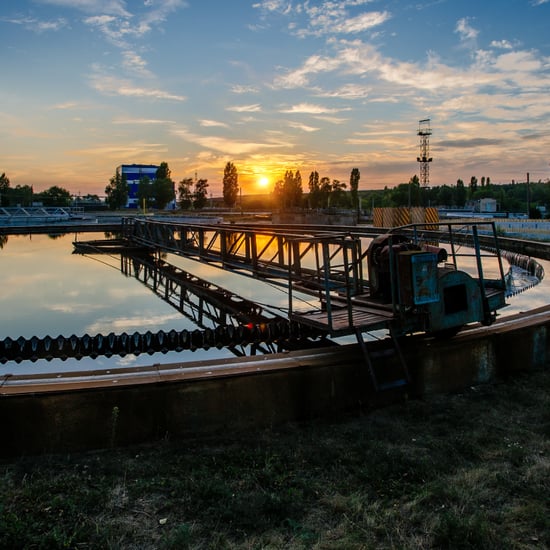
The typical structure of advanced wastewater treatment is as a sequence: primary treatment removes solids and some dissolved components, secondary treatment addresses additional contaminants like organics, and tertiary treatment dives a little bit deeper. That deeper stage may include specialized technologies that remove nutrients, reduce oxygen demand, or strip out chemical compounds that would otherwise pass through.
What makes treatment “advanced” is the combination of targeted processes selected based on what’s in the water, what the regulatory limits require, and what the downstream goal is. For some facilities, that goal is safe discharge to a municipality or permitted surface waters. For others, it might be zero liquid discharge (ZLD), beneficial reuse, or preparation for additional treatment and destruction methods.
Advanced Biological Wastewater Treatment Technologies
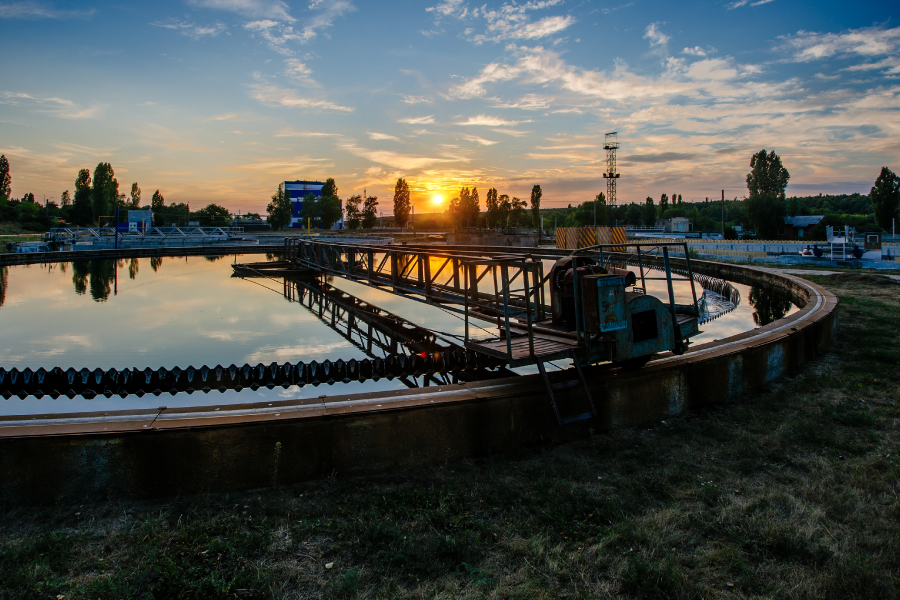
Biological treatment has long been the backbone of wastewater treatment because it uses nature’s own machinery—microorganisms—to break down and remove contaminants. Where primary treatment focuses on physical removal (like settling solids), biological systems target dissolved and suspended organic matter, nitrogen compounds, and other pollutants that drive oxygen demand in receiving waters.
Microorganisms consume biodegradable material the way a compost pile breaks down food scraps. The difference is that wastewater treatment systems create controlled environments (balanced oxygen levels, retention times, microbial populations) to make the process faster, safer, and more predictable. Advanced biological technologies are designed to handle tougher conditions while using less space, producing more consistent results, and supporting stricter nutrient removal requirements.
There are several advanced biological wastewater treatment technologies widely used today. Together, these biological technologies form an essential foundation for advanced treatment.
Sequencing Batch Reactor (SBR)
A sequencing batch reactor (SBR) is a form of activated sludge treatment that processes wastewater in batches rather than as a continuous flow. Instead of having separate tanks for aeration and settling, an SBR carries out multiple treatment steps in the same basin, typically filling, reacting, settling, decanting, and idling.
This batch-based design makes SBRs highly flexible. Operators can adjust cycle times and oxygen levels to shift performance based on influent conditions and treatment goals. For example, longer aeration periods can improve carbon removal, while alternating aerobEvery day, businesses and industrial facilities generate wastewater that has to go somewhere. If it’s discharged without the right treatment, it can carry pollutants that harm ecosystems, disrupt drinking water sources, and create serious health risks for nearby communities. As a result, wastewater treatment is a critical part of modern infrastructure.
Advanced wastewater treatment goes beyond basic settling tanks and conventional biological processes to remove contaminants that are more persistent, harder to break down, or present at lower—but still harmful—concentrations. It can also support water reuse, helping communities and businesses stretch limited water supplies while reducing the burden on rivers, lakes, and municipal infrastructure.
What Is Advanced Wastewater Treatment?
Advanced wastewater treatment refers to processes and technologies that remove contaminants beyond what conventional primary and secondary treatment systems can handle. While traditional systems focus on removing suspended solids and reducing organic load, advanced treatment is designed to target harder-to-remove pollutants such as the following:
- Nutrients (like nitrogen and phosphorus) that contribute to algae blooms and oxygen depletion in waterways
- Dissolved salts and metals
- Complex industrial chemicals and solvents
- Persistent organic compounds
- Emerging contaminants such as per- and polyfluoroalkyl substances (PFAS)
- Micropollutants (including pharmaceuticals and personal care products)
Advanced wastewater treatment can be thought of as the “deep cleaning” stage of a treatment train. It often includes tertiary processes or even multiple finishing steps depending on the quality of the incoming water and the required discharge or reuse standard.
ic and anoxic periods can enhance nitrogen removal.
SBRs are often a strong fit for facilities with variable flows (seasonal changes, production-based surges, stormwater impacts), limited space for multiple basins, and a need for nutrient removal without extensive infrastructure expansion. Because the same tank handles treatment and clarification, SBRs can be cost-effective in both municipal and industrial settings, especially when a facility needs operational adaptability.
Moving Bed Biofilm Reactor (MBBR)
Moving bed biofilm reactor (MBBR) technology improves biological treatment by combining suspended-growth and attached-growth biology in one system. Rather than relying only on free-floating microorganisms, MBBRs use plastic carriers, often called media, designed with high surface area. These carriers move freely within the reactor and provide a protected space where microbial biofilms can grow.
That biofilm structure offers major advantages, including more stable performance during load swings, higher biomass concentration in a smaller footprint, faster recovery after upsets, and less sensitivity to changes in temperature and influent conditions.
Because MBBR systems can achieve strong treatment results in compact reactors, they are widely used for upgrades and retrofits where adding large basins isn’t realistic. They are also known for low maintenance and reduced sludge handling compared to conventional activated sludge systems.
MBBRs are frequently applied in municipal nutrient removal and capacity expansion projects, industrial wastewater with high organics or ammonia, and situations where reliability matters and operator complexity needs to stay manageable.
Membrane Bioreactor (MBR)
A membrane bioreactor (MBR) combines biological treatment with membrane filtration, producing a much higher-quality effluent than conventional secondary treatment. In an MBR system, microorganisms still break down organic pollutants, but instead of relying on gravity settling for solids separation, membranes physically filter out suspended solids, bacteria, and many pathogens. This process produces extremely clear, low-turbidity water that can meet more demanding discharge requirements and, in many cases, can serve as feedwater for reuse applications.
MBR systems are often chosen when a facility needs high effluent quality and consistent performance, a smaller footprint than traditional activated sludge systems, better handling of variable influent loads, or effluent suitable for reuse (industrial cooling, process water, irrigation after additional steps). Since the membranes replace large clarifiers, MBRs also support compact plant layouts—one reason they are increasingly used where space is limited.
It’s important to note that while MBRs can dramatically improve solids and pathogen removal, they may not address all dissolved contaminants (such as PFAS or salts) without additional treatment stages. In many advanced treatment trains, MBR effluent becomes the starting point for polishing processes such as reverse osmosis (RO), activated carbon, or advanced oxidation.
Fixed-Film Systems
Fixed-film biological systems rely on naturally occurring microbial communities that grow on a stationary surface. Instead of using suspended sludge, these systems provide a “home” for microorganisms—often rock beds, structured media, or other packing materials—so water passes across the biofilm and contaminants are broken down as they move through.
Common fixed-film approaches include trickling filters, packed bed reactors, and constructed wetland-style systems. In some designs, gravity flow and passive aeration drive much of the process, making fixed-film systems attractive for low-energy treatment goals.
Depending on the design and application, fixed-film systems can offer lower energy requirements compared to fully aerated activated sludge, stable microbial communities that handle load swings well, reduced operational complexity, and the potential for treatment in remote areas or where electricity is limited. Some fixed-film systems can operate with minimal mechanical equipment, which makes them useful in smaller municipal facilities, rural communities, or certain industrial applications where sustainability goals include reduced energy consumption.
Advanced fixed-film systems are also used as polishing steps, such as removing residual organics, improving nitrification, or buffering variability before downstream treatment.
Advanced Physical and Chemical Wastewater Treatment Technologies
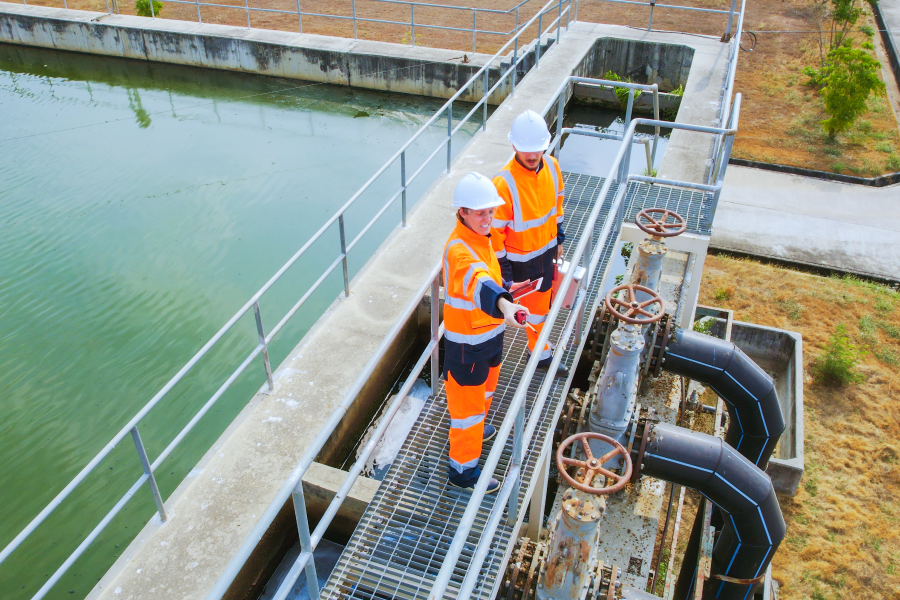
Advanced biological systems can remove a large portion of organic load and nutrients, but many wastewater streams, especially industrial ones, contain pollutants that biology alone can’t reliably address. Dissolved salts, metals, microplastics, and many synthetic compounds may pass through biological reactors with minimal change. Advanced physical and chemical technologies are a solution to that problem.
Physical and chemical treatment processes are often used as tertiary polishing steps after biological treatment, but they can also be deployed earlier in a treatment train to protect downstream systems.
Here are several of the most widely used advanced physical and chemical technologies for improving effluent quality and meeting demanding discharge or reuse requirements. Together, these physical and chemical technologies expand what treatment plants can achieve and help them meet tightening regulations, address emerging contaminants, and produce effluent suitable for discharge, reuse, or advanced downstream processes.
Advanced Membrane Filtration
Advanced membrane filtration uses semi-permeable membranes to separate contaminants based on particle size, molecular weight, and, depending on the membrane, charge. In wastewater treatment, membrane filtration is often categorized by pore size:
- Microfiltration (MF): Removes larger suspended solids and many bacteria
- Ultrafiltration (UF): Filters out smaller particles, colloids, viruses, and high-molecular-weight organic compounds
- Nanofiltration (NF): Targets smaller organics and multivalent ions (like calcium and magnesium), as well as some dissolved salts
Ultrafiltration and nanofiltration are especially valuable because they can produce a consistently high-quality effluent even when influent conditions shift. UF is often used as a pretreatment step for reverse osmosis (RO), helping prevent membrane fouling by removing suspended solids and microorganisms. Nanofiltration sits between UF and RO, offering a balance between strong contaminant removal and lower energy demand compared to RO.
These processes are commonly used in water reuse applications (as a polishing step), industrial treatment trains where solids and microorganisms need tight control, and municipal upgrades targeting higher effluent quality. The tradeoff is that membrane systems require routine maintenance, periodic membrane cleaning, and careful control to reduce fouling and scaling.
Reverse Osmosis (RO)
Reverse osmosis is one of the most powerful membrane filtration technologies available for wastewater treatment and reuse. RO membranes are designed to reject very small, dissolved contaminants, including monovalent ions (like sodium and chloride), many dissolved organics, and a broad range of trace pollutants.
Because RO removes so much, including salts, it is often used when the goal is high-purity water for reuse, such as boiler feedwater, industrial process water, high-spec cooling tower makeup, and indirect potable reuse (in some advanced municipal applications).
RO works by applying pressure to push water through a dense membrane, leaving dissolved contaminants behind as a concentrated brine (also called concentrate or reject). That concentrate becomes the key operational and environmental challenge with RO: It contains the very contaminants the system removed, and it must be managed responsibly.
However, while membrane technologies like RO and nanofiltration are technically effective, their cost can exceed what’s required to meet standard discharge specifications. In other words, the technology may achieve a higher level of purification than the permit requires, which can make it difficult to justify unless reuse or high-performance outcomes are part of the objective.
Adsorption
Adsorption is a physical-chemical process where contaminants adhere to the surface of a material. It is widely regarded as one of the most cost-effective and adaptable methods for removing trace organics and emerging contaminants, especially when used as a polishing step.
The most common adsorption media is granular activated carbon (GAC), which has a highly porous structure and a large surface area that binds a wide range of organic compounds. Adsorption is particularly important in the context of PFAS, pharmaceuticals, solvents, and industrial organics. Activated carbon can absorb organics and hydrocarbons onto the surface and separate those from the liquid, making it a practical tool for addressing persistent contaminants.
The key operational consideration is what happens after the carbon is spent. Used GAC becomes a waste stream that may need regeneration, specialized disposal, or thermal destruction depending on the contaminants it contains.
Beyond activated carbon, other adsorption materials are gaining traction, including ion exchange resins (used for selective contaminant removal), organoclays (used for certain hydrocarbons and industrial organics), and specialized engineered media designed for specific emerging contaminants.
Adsorption is often considered “sustainable” because it can be highly efficient at low concentrations and can be paired with regeneration or destruction pathways, rather than producing large volumes of secondary waste.
Chemical Precipitation
Chemical precipitation is a treatment method that converts dissolved contaminants, most often metals, into solid particles that can then be removed by settling, filtration, or flotation. This process is widely used in industrial wastewater treatment because metals like chromium, nickel, lead, copper, and zinc are common in manufacturing, metal finishing, mining, and chemical processing.
The chemistry of precipitation depends on the contaminant and the desired reaction pathway. Common precipitation methods include the following:
- Hydroxide precipitation: Adjusting pH with lime or caustic soda so metals form insoluble metal hydroxides
- Sulfide precipitation: Adding sulfide-based reagents so metals form highly insoluble metal sulfides (often used when stricter limits apply)
Precipitation can also be used to remove other dissolved compounds, including certain phosphates. Once the contaminants are converted into solids, they are removed as sludge, which then requires proper handling and disposal.
Specialized and Emerging Advanced Wastewater Treatment Technologies
As regulations tighten and new contaminants emerge, many wastewater treatment facilities find themselves dealing with pollutants that conventional biological, physical, and chemical methods may not fully address. These scenarios often involve trace contaminants, highly variable industrial streams, persistent chemicals, or remote locations where discharge options are limited.
Specialized and emerging advanced wastewater treatment technologies are designed to fill those gaps. Here are several of the most important specialized and emerging technologies shaping advanced wastewater treatment today.
Advanced Oxidation Processes (AOPs)
Advanced oxidation processes are a family of treatment methods that use highly reactive oxidizing species, most notably hydroxyl radicals, to break down contaminants that are difficult to remove with conventional treatment. Rather than separating pollutants from water (as membranes and adsorption do), AOPs aim to chemically transform contaminants into simpler, less harmful compounds.
AOPs are particularly useful for trace organic contaminants, industrial solvents, complex organics, pharmaceuticals and personal care product residues, color and odor-causing compounds, and certain PFAS fractions (depending on the process and PFAS type).
Common AOP approaches include the following:
- Ozone-based AOPs (O₃/H₂O₂): Ozone with hydrogen peroxide to generate radicals
- UV/H₂O₂: Ultraviolet light activates peroxide to create hydroxyl radicals
- Fenton and photo-Fenton reactions: Iron catalysts with peroxide, sometimes enhanced by UV
AOPs can be extremely effective, but they are typically energy-intensive and sensitive to wastewater chemistry. Natural organic matter, alkalinity, and suspended solids can consume oxidants and reduce performance, which increases chemical demand and operating costs. That’s why AOPs are often used as targeted polishing steps rather than primary treatment.
Electrocoagulation and Electrooxidation
Electrochemical treatment technologies use electricity to drive contaminant removal and transformation, often reducing the need for traditional chemical dosing.
Electrocoagulation uses an electric current to dissolve metal electrodes (commonly iron or aluminum) into the water. Those metal ions act as coagulants, binding with suspended solids, emulsified oils, and dissolved contaminants to form flocs that can be separated. Electrocoagulation can be effective for oil and grease removal, metals removal, suspended solids and turbidity reduction, and certain industrial organics.
Electrooxidation, by contrast, uses specialized electrodes to generate oxidants (such as hydroxyl radicals, chlorine species, or ozone-like compounds) directly in the water. This process can break down organics and improve disinfection without adding large volumes of oxidizing chemicals.
Electrochemical systems are attractive because they can reduce chemical handling and storage, be modular and scalable, and perform well on certain industrial wastewater streams. However, they also require careful design to control energy use and manage electrode maintenance. For some applications, conductivity of the wastewater can strongly influence performance; streams with very low conductivity may require adjustment, while high-salt streams may create different operational challenges.
Zero Liquid Discharge
Zero liquid discharge is an advanced wastewater strategy that eliminates liquid waste leaving a facility. Instead of discharging treated effluent to a sewer system, surface water, or other receiving environment, ZLD systems recover and recycle water on-site, leaving behind only solid or concentrated residuals for disposal.
It is especially common in water-scarce regions, remote industrial sites without municipal infrastructure, facilities facing strict discharge limitations, and operations with high-value water reuse opportunities.
A typical ZLD system might include the following:
- Pretreatment (chemical precipitation, filtration)
- Membrane concentration (reverse osmosis, nanofiltration)
- Thermal concentration (evaporators, crystallizers)
- Solids management (dewatering, disposal)
The advantage of ZLD is sustainability: It maximizes water recovery and minimizes environmental discharge. The tradeoff is cost. Thermal systems are energy-intensive, and overall capital costs can be significant. That said, in some industries, the cost is justified by reduced freshwater intake, avoided discharge fees, regulatory risk reduction, and long-term resilience.
Microalgal Systems
Microalgal wastewater treatment systems use algae to remove nutrients and certain contaminants through natural biological uptake and metabolic processes. In these systems, algae consume nitrogen and phosphorus for growth, while also producing oxygen that can support bacterial degradation of organic matter.
Microalgal systems can be applied in ponds, photobioreactors, and hybrid ecological treatment designs. They are often considered for nutrient removal in municipal and agricultural settings, wastewater polishing, and carbon capture potential through algal biomass growth.
In certain designs, algae-based systems can also generate valuable byproducts such as biofuels, animal feed inputs, or fertilizers, although the economic viability depends heavily on scale and downstream processing.
The biggest limitation is that performance can be climate dependent. Sunlight, temperature, and seasonal conditions influence algae growth, and land requirements may be high compared to more compact mechanical systems. For that reason, microalgal systems are often viewed as a promising sustainability-focused approach rather than a universal replacement for conventional treatment.
Automation and Integration in Advanced Wastewater Treatment
As treatment technologies become more complex, operational control becomes just as important as the equipment itself. Modern advanced wastewater treatment facilities rely on automation and digital monitoring to optimize performance, reduce downtime, and respond quickly to changes in influent chemistry.
Automation and Internet of Things (IoT)
Internet of Things systems and automation platforms use sensors, data analytics, and remote connectivity to monitor treatment performance continuously. These systems can measure parameters such as the following:
- pH, conductivity, and oxidation-reduction potential (ORP)
- Turbidity, total suspended solids (TSS), and flow rate
- Dissolved oxygen and ammonia levels
- Membrane pressure and fouling indicators
- Chemical dosing and tank levels
With real-time monitoring, operators can detect problems early, such as membrane fouling, biological upset, or chemical imbalances, and take corrective actions before performance drops. Advanced automation can also use predictive analytics and machine learning to optimize aeration energy in biological systems, improve chemical dosing precision, predict equipment maintenance needs, and track performance trends across seasons or production cycles.
For geographically distributed treatment facilities, IoT systems allow remote experts to support local operations, which can be valuable in urgent situations or when specialized expertise is needed to address a challenging wastewater stream.
Modular and Integrated Systems
Modular and integrated treatment systems are increasingly used to make advanced wastewater treatment more flexible and site-specific. Rather than building one large custom plant from scratch, modular systems combine proven technologies—membranes, adsorption, oxidation, precipitation, biological reactors—into scalable units that can be configured based on the wastewater profile.
Integrated systems are valuable because advanced wastewater treatment rarely relies on a single method. A successful design often requires multiple stages working together. Modular systems support this approach by allowing facilities to add treatment capacity as flows increase, upgrade performance as discharge limits tighten, combine technologies to target specific contaminant classes, and reduce installation time through pre-engineered units.
For industrial facilities, modular integration is also a practical response to uncertainty. When wastewater chemistry is expected to change—new products, new regulations, evolving contaminants—modular systems provide the ability to adapt without a full rebuild.
Advanced Wastewater Treatment Solutions and Technologies: FAQ
What Contaminants Does Advanced Wastewater Treatment Remove?
Advanced wastewater treatment can remove pollutants that conventional treatment may not fully address, including nutrients like nitrogen and phosphorus, dissolved salts and ions, metals, high-strength organics, trace chemicals, fine particulates, pathogens, and emerging contaminants such as PFAS. The exact removal depends on the treatment train, with biological processes addressing organics and nutrients and advanced polishing steps targeting dissolved and persistent compounds.
What Processes Are Involved with Advanced Wastewater Treatment?
Advanced wastewater treatment typically uses a multistep approach that may include pretreatment (screening, pH adjustment, equalization), primary solids separation, biological treatment, tertiary polishing with membranes or adsorption, specialized processes such as advanced oxidation or electrochemical treatment, and residuals management for sludge and concentrates. Treatment is selected based on what’s in the water and what discharge or reuse requirements apply.
What Are the Benefits of Advanced Wastewater Treatment?
The biggest benefits of advanced wastewater treatment are stronger contaminant removal, improved protection of waterways, and greater ability to meet tighter discharge standards, especially for nutrients, trace organics, and emerging contaminants. Advanced systems can also support water reuse, reduce operational risk tied to compliance issues, and help organizations demonstrate environmental responsibility through more transparent wastewater management.
What Are the Challenges of Advanced Wastewater Treatment?
Advanced treatment can be more complex and cost-intensive than conventional systems, especially when wastewater chemistry varies or contaminants are difficult to separate. Common challenges include membrane fouling and scaling, higher energy and chemical demands, managing secondary waste streams like sludge and RO concentrate, and addressing persistent pollutants such as PFAS that may require multiple stages of treatment and destruction.
What Is the Future of Advanced Wastewater Treatment?
The future is moving toward integrated treatment trains that combine biological processes, membranes, adsorption, and advanced oxidation, supported by automation and real-time monitoring. As new contaminants emerge and regulations evolve, the most successful approaches will balance performance with cost by combining equipment, chemistry, and energy in more efficient ways.
How Can Advanced Systems Help Organizations Meet Sustainability and Compliance Goals?
Advanced systems help organizations meet sustainability and compliance goals by improving contaminant removal, supporting reuse and recycling, and reducing the burden on municipal infrastructure and local waterways. Many organizations also value advanced treatment because it provides clearer documentation about how wastewater is managed, including the fate of concentrated waste streams and the pathways used for disposal, destruction, or reuse.
Is Treated Water from These Systems Reusable?
In many cases, yes. Advanced wastewater treatment can produce effluent suitable for reuse depending on the technology and the end application. Systems such as MBR, ultrafiltration, nanofiltration, and reverse osmosis can produce high-quality water for industrial reuse and other non-potable applications, though reuse standards vary and some uses require additional polishing steps.
How Can Reworld™ Help Businesses and Communities Implement Advanced Wastewater Treatment Solutions?
Reworld™ helps organizations manage wastewater end-to-end by analyzing wastewater streams, designing appropriate treatment pathways, handling logistics, and aligning treatment with local and regional requirements. Through our ReDrop™ wastewater treatment solutions, we support a range of outcomes from permitted discharge and advanced polishing to thermal treatment and beneficial reuse, helping businesses and communities balance performance, compliance, and sustainability goals.
Contact Reworld™ Today for Industrial Wastewater Treatment Solutions
Advanced wastewater treatment has become essential for organizations dealing with stricter discharge limits, emerging contaminants, and sustainability pressures. Whether the goal is compliance, reuse, or managing complex industrial wastewater streams, the right combination of technology and expertise can reduce risk while improving environmental outcomes.
At Reworld, we designed our ReDrop™ wastewater treatment solutions to provide end-to-end support. With our experience across major wastewater-producing industries and multiple disposal and reuse pathways, we help clients meet regulatory requirements while building confidence in how their wastewater is managed.
To learn more about ReDrop™ and see how Reworld™ can support your wastewater management goals, contact us today.