


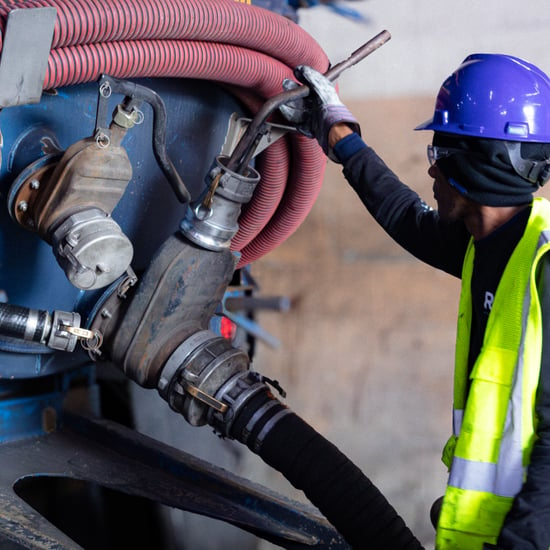
Industrial field services were once viewed as reactive support work. A tank needed cleaning. A wastewater system backed up. A facility scheduled hydroblasting during a planned outage, then moved on. That operating model no longer aligns with the realities facing industrial facilities today.
Manufacturers are navigating rising operational costs, stricter compliance expectations, aging infrastructure, and increasing pressure to maintain uptime with leaner teams. Even small maintenance failures can create ripple effects across production, safety, labor planning, and environmental performance.
The financial stakes are substantial. According to Deloitte’s predictive maintenance analysis, unplanned downtime costs industrial manufacturers an estimated $50 billion annually. Separately, ABB’s Value of Reliability survey coverage found manufacturers reported average downtime costs of $125,000 per hour, particularly in high-throughput industrial environments.
For EHS leaders, plant managers, and operations executives, industrial field services have evolved far beyond maintenance support. They now play a direct role in operational continuity, compliance management, and long-term cost control.

What Happens When Industrial Field Services Stay Reactive?
Reactive industrial service models often increase operational risk over time because facilities are responding to problems after systems have already begun failing.
Many facilities still rely heavily on emergency service calls and disconnected maintenance schedules. Vacuum trucks arrive after systems clog. Wastewater infrastructure gets cleaned after throughput declines. Emergency response teams mobilize only after spills disrupt operations or create compliance concerns.
The problem is that industrial infrastructure rarely fails in isolation.
A blocked process line can impact production schedules across an entire facility. Deferred tank cleaning can create confined space hazards or accelerate equipment wear. Poorly maintained wastewater systems may increase the risk of permit violations or unplanned shutdowns during critical production periods.
The challenge becomes even greater for facilities managing complex waste streams or regulated materials. For facilities handling hazardous waste streams and regulated materials, reactive maintenance often creates hidden costs tied to emergency labor, transportation delays, disposal inefficiencies, and operational downtime.
Labor shortages are also changing the equation. According to The Manufacturing Institute’s workforce projections, the manufacturing sector could face millions of unfilled jobs by the end of the decade, increasing pressure on facilities already operating with constrained maintenance and operations teams.
As a result, industrial leaders are rethinking how field services fit into broader operational planning
Industrial Field Services Improve Uptime and Compliance
Integrated industrial field services help facilities reduce downtime and improve compliance by connecting onsite work, transportation, waste management, and environmental planning into a coordinated strategy.
Traditionally, industrial services have been highly fragmented. One vendor performs industrial cleaning. Another transports waste. A third handles disposal or recycling. Compliance documentation, scheduling, and reporting often become disconnected across multiple providers.
That fragmentation creates operational friction that compounds over time.
Leading organizations are shifting toward integrated service models designed to simplify oversight and improve visibility across the entire waste and maintenance lifecycle. Instead of reacting to isolated operational issues, facilities are aligning industrial field services with production schedules, shutdown planning, compliance objectives, and sustainability initiatives.
This approach creates operational advantages that extend beyond maintenance itself. Facilities using coordinated industrial service strategies often focus on:
- Preventive tank and wastewater system maintenance
- Planned shutdown and turnaround support
- Predictive inspection and cleaning programs
- Streamlined transportation and waste disposition
- Emergency response readiness
- Resource recovery and recycling opportunities
The goal is not simply cleaner infrastructure. It is more predictable operations, fewer disruptions, and stronger control over operational risk.
This shift also aligns with broader manufacturing trends. According to McKinsey & Company’s research on operational resilience, manufacturers are increasingly prioritizing resilience-focused operational models that improve flexibility, reduce disruption exposure, and strengthen long-term performance.
What Best-in-Class Industrial Field Service Programs Look Like
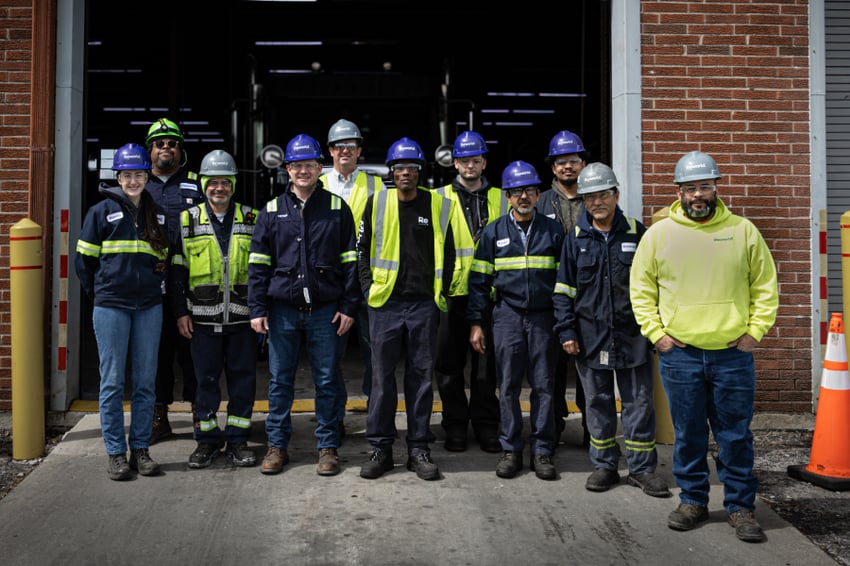
The strongest industrial field service programs operate as part of a broader reliability and risk-management strategy. High-performing facilities increasingly align field service planning with EHS goals, production forecasting, maintenance planning, and sustainability objectives. Rather than treating industrial cleaning and waste management as isolated service events, they integrate those activities into long-term operational planning.
For example, many facilities now coordinate vacuum services, wastewater support, tank cleaning, hydroblasting, and waste transportation during planned outages to reduce production disruption and avoid emergency response scenarios later.
Technology is also reshaping industrial service execution. Digital reporting tools, waste tracking systems, and predictive maintenance analytics are giving operations teams greater visibility into infrastructure performance and service history.
Manufacturers using predictive maintenance strategies reported 53% less unplanned downtime and 49% lower lost sales compared to reactive maintenance environments.
For industrial facilities, the takeaway is clear: operational reliability increasingly depends on proactive infrastructure management, not reactive response.
Why Industrial Field Services Are Central to Long-Term Resilience
Industrial field services are increasingly tied to operational resilience because infrastructure reliability, environmental compliance, and sustainability performance are becoming more interconnected.
Facilities today face mounting pressure to improve environmental performance while maintaining operational efficiency. Waste management decisions now directly affect ESG reporting, supply chain performance, and corporate sustainability initiatives.
This is especially true for organizations pursuing zero waste-to-landfill goals, where industrial cleaning, material segregation, transportation coordination, and downstream waste processing all influence environmental outcomes.
At the same time, regulators continue increasing focus on environmental compliance enforcement. EPA’s Compliance Assurance Data Tools and Enforcement and Compliance History Online (ECHO) platform continue tracking enforcement activity tied to waste management, wastewater handling, and hazardous materials across regulated facilities nationwide.
That combination is changing how companies evaluate service providers.
Operations leaders increasingly want partners capable of supporting the full operational lifecycle, from onsite field services and transportation through recycling, treatment, compliance support, and final disposition. The priority is no longer simply completing a task. It is reducing complexity and building more resilient operations over time.
A Key Element of Every Successful Waste Strategy
Industrial field services are no longer just reactive maintenance support. They have become a strategic part of how industrial facilities maintain uptime, manage compliance, and control operational risk.
Facilities that continue relying on fragmented, emergency-driven service models may face increasing downtime costs, compliance exposure, and operational inefficiencies. Organizations adopting integrated, proactive strategies are positioning themselves for stronger operational performance and long-term resilience.
Want an action plan on how industrial field services and other waste solutions can build resilience in your business? Get our playbook here.