

ReAssure™ PFAS Destruction: Destroying Forever Chemicals
A Proven Solution for PFAS Disposal
Reworld® provides a demonstrated pathway for destroying PFAS-containing materials at scale in commercial, industrial, and municipal waste streams. ReAssure™ PFAS Destruction is a proven solution validated through rigorous collaborative testing with the EPA.

Destroy "forever chemicals" instead of kicking the can down the road.
Customized Treatment
Specific treatment routes to handle different waste streams
Destruction at Scale
Capability and capacity to handle high volumes of PFAS waste
Documented Performance
Your liability ends with a certificate of destruction
Assess
The Right Path for Every Type of PFAS Waste
ReAssure PFAS Destruction is an integrated service framework to manage PFAS-containing materials at a scale no other company can offer:
- Solid waste is assessed and prepared at Materials Processing Facilities (MPFs)
- Liquids like wastewater and leachate go to Wastewater Treatment (WWT) for separation and pretreatment
- 99% of PFAS-containing material is destroyed at Thermomechanical Treatment Facilities (TTFs)
- Logistics and transportation expertise safely and efficiently moves materials to the right location
Execute
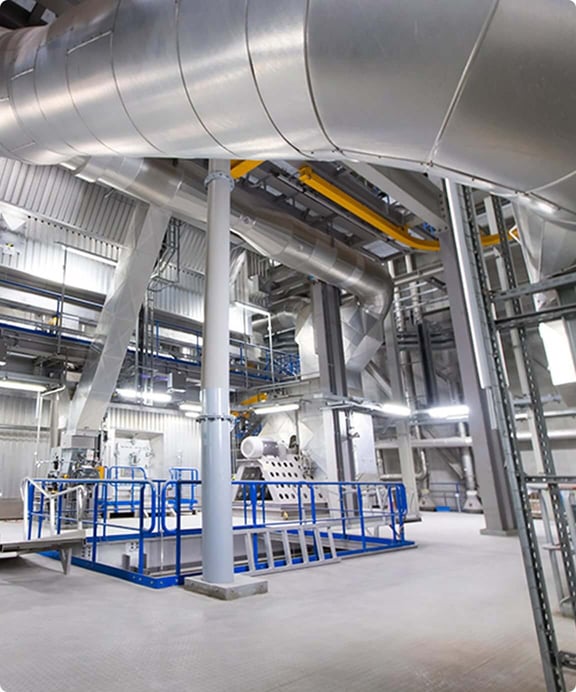
Destruction at 1,100°C (2,012°F)
Thermal destruction is built on three Ts: time, turbulence, and temperature. Reworld adds two more: turnkey and traceability, the ability to manage PFAS from pickup to final destruction through a single provider, with documented chain-of-custody every step of the way. Our TTFs provide the environment that allows for safe, sustainable PFAS destruction, as shown in several recent testing programs:
- The high temperatures destroy PFAS-containing materials in municipal, commercial, and industrial waste streams
- Engineered air pollution control systems capture residual compounds
- Tests demonstrated no meaningful products of incomplete destruction

Verify
Stay Ahead of Regulations and Avoid Liability
PFAS regulations are evolving, with new rules in the works at the state and federal level. Where waste goes today could present real risks to businesses in the future.
ReAssure PFAS Destruction helps you avoid risks by ensuring complete destruction of forever chemicals and providing:
- Certificates of destruction or disposal
- Chain-of-custody tracking
- Audit-ready documentation
Why Destruction Matters
Landfills Don't Destroy PFAS. They Just Defer the Problem.
Your PFAS Problem Isn't Small. Your Solution Shouldn't Be Either.
Other technologies can destroy PFAS in a lab. But they can't do it at the scale your operations actually require. Even hazardous waste incineration falls far short of the needed capacity for PFAS destruction. That's the gap.
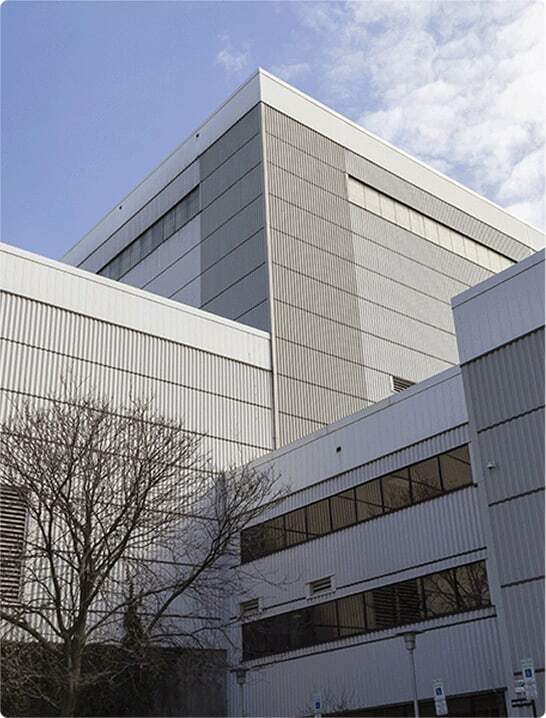
Reworld operates a network of continuously running facilities that process thousands of tons of waste per day. Not pilot scale. Not batch processing. This provides us the capacity to destroy PFAS-containing materials at the scale businesses need.
of tons processed daily
of treatment facilities across the U.S.
Frequently Asked Questions
Clear answers to common questions about PFAS destruction.
Why is PFAS a challenge?
- PFAS is one of the most consequential environmental and public health challenges of our time, with implications that will shape regulatory, economic, and remediation decisions for decades to come. PFAS embodies the dangerous circularity of pollution: contaminants that are managed, moved, diluted, and stored, but never truly eliminated. The only way to break the cycle is through ambitious, science-driven solutions focused on permanent destruction. Meeting this challenge head-on is essential to reduce the growing liability and safeguarding public health for the future.
- PFAS combine many of the characteristics that make contaminants difficult to control and costly to manage. They are highly persistent, ubiquitous in consumer and industrial products, readily transported through water, and capable of accumulating in the human body, wildlife, and ecosystems over time. Few contaminants present such a challenging combination of durability, mobility, and long-term environmental presence. Designed to be highly stable and resistant, they don’t break down, earning them the name “forever chemicals.”
- These compounds have been used in tens of thousands of products since their initial creation in the 1930s, including those common in our daily lives. In fact, the Agency for Toxic Substances and Disease Registry identified that “nearly all people in the U.S. have PFAS in their blood,” based on CDC tests dating back to 1999. All these issues combined make PFAS contamination one of the biggest environmental challenges the world has ever faced.
- If we are serious about addressing this challenge, the answer is destruction, not indefinite storage in landfills and passing the burden to future generations.
How does Reworld destroy PFAS?
- Reworld destroys PFAS through our high-temperature Thermomechanical Treatment Facility (TTF) process, which reaches temperatures greater than 2,012°F. At these temperatures, PFAS compounds are effectively destroyed, and there is little to no generation of products of incomplete destruction. Reworld offers an end-to-end management solution called ReAssure for PFAS-containing waste streams, both liquid and solid. With ReAssure PFAS Destruction, Reworld combines thermomechanical treatment, material processing, wastewater treatment, and coordinated logistics services to deliver secure destruction at scale, a capability no other company can offer.
- For wastewater, Reworld can help close the loop by managing PFAS-containing liquids and routing spent carbon, filter media, treatment residues, and other byproducts to its TTFs for destruction.
- Thermal destruction is built on three Ts: time, turbulence, and temperature. Reworld adds two more: turnkey and traceability, the ability to manage PFAS from pickup to final destruction through a single provider, with documented chain-of-custody every step of the way.
What makes this different from other solutions?
- Reworld operates a network of facilities that process thousands of tons of waste per day, providing the capacity required to manage PFAS-containing materials at scale. ReAssure PFAS Destruction meets that need by providing customers with access to approximately 17 million tons of processing capacity through Thermomechanical Treatment Facilities (TTFs) accessible in all major markets in the United States. Our TTFs are uniquely positioned to deliver the scale necessary to address PFAS containing waste.
- Through ReAssure PFAS Destruction, Reworld also provides access to 50+ material processing facilities (MPFs), which prepare non-bulk PFAS wastes for delivery to TTFs, extending their geographical and market reach. Additionally, ReAssure PFAS Destruction includes wastewater treatment with activated carbon, coordinated logistics services, and other related services.
- This comprehensive approach enables Reworld to work with companies that have PFAS in products, residuals, and mixed materials, significantly expanding the universe of PFAS-containing waste streams that can be responsibly managed.
Has this solution been tested?
-
Reworld TTFs process waste at temperatures above 1,100°C (2,012°F), widely cited as effective for PFAS destruction. Testing campaigns at Reworld TTFs have demonstrated 99% destruction and removal of PFAS at a processing capacity scale over 17 times greater than hazardous waste incineration - a capability no other company can offer.
-
Recent testing programs at TTFs in Pennsylvania and Minnesota have produced consistent findings: PFAS compounds were generally non-detectable or measured at very low concentrations in stack emissions, and well below ambient air quality standards. Based on published ranges of PFAS in the waste stream, TTFs are achieving PFAS removal efficiencies of 99% and higher. A comprehensive report on collaborative testing with the U.S. Environmental Protection Agency (EPA) is expected in the near future.
What types of PFAS materials can be managed?
ReAssure PFAS Destruction is designed for PFAS in liquids and solids, residuals, and mixed materials.
What does Reworld deliver to customers?
-
With ReAssure PFAS Destruction, Reworld delivers secure treatment or destruction at scale for PFAS-containing waste materials. Reworld has demonstrated destruction in conditions that are representative of how PFAS appears in waste streams, using continuous, high-throughput processing capacity, with regulatory oversight and monitoring, and end-to-end handling for solids and liquids.
-
With hazardous waste incineration in the United States only having capacity for around 900K tons annually, Reworld facilities substantially increase that capacity and deliver a full-scale solution for PFAS destruction. ReAssure PFAS Destruction provides customers with access to approximately 17 million tons of processing capacity through Thermomechanical Treatment Facilities (TTFs), reaching over 1,100°C (2,012°F) — widely cited as effective for PFAS destruction.
How does this help reduce risk amid evolving regulations?
-
PFAS faces an uncertain regulatory future. With a variety of regulatory changes in the works, including the listing of certain PFAS compounds under CERCLA, where waste goes today could present real risk to businesses in the future.
-
Landfilling, land application of biosolids, and discharges of untreated PFAS-containing wastewaters are real risks as regulators seek to tighten regulatory requirements. Working with Reworld can help companies stay ahead of these risks by finding proven treatment options for liquid and solid waste containing PFAS.
-
Reworld TTFs, which recover energy from waste with temperatures greater than 1,100°C (2,012°F), help prevent these compounds from remaining in circulation or contributing to future releases.
Why not landfill PFAS-containing materials?
- For years, landfills have been the default destination for PFAS-containing materials. But landfilling does not destroy PFAS, it simply stores it. Rainwater passing through waste can create PFAS-containing leachate, which is often sent to wastewater treatment plants not designed to manage these compounds. Recent peer-reviewed research shows that PFAS is also released through landfill gas emissions, making full-scale destruction an increasingly important part of the solution
- Furthermore, landfill liner systems present a long-term risk to potential groundwater contamination due to initial installation imperfections and system degradation over time. Based on published data and estimates available to date, landfills emit approximately 500X as much PFAS through air emissions alone compared to TTFs.
- Even corrected for tons processed, ton for ton, landfills emit about 60X as much PFAS as TTFs, to air alone. Releases of PFAS to water through landfill leachate are roughly comparable to their total emissions to air.
Ready to Bid Farewell to Forever Chemicals?
Get expert guidance, clear next steps, and documented treatment pathways for your PFAS-containing waste.