
WASTE-TO-ENERGY & RENEWABLE ENERGY RECOVERY
From Waste to Electricity
Waste-to-energy recovery at the largest fleet of facilities in North America. We take what can't be recycled and convert it to clean electricity—at scale, every day.
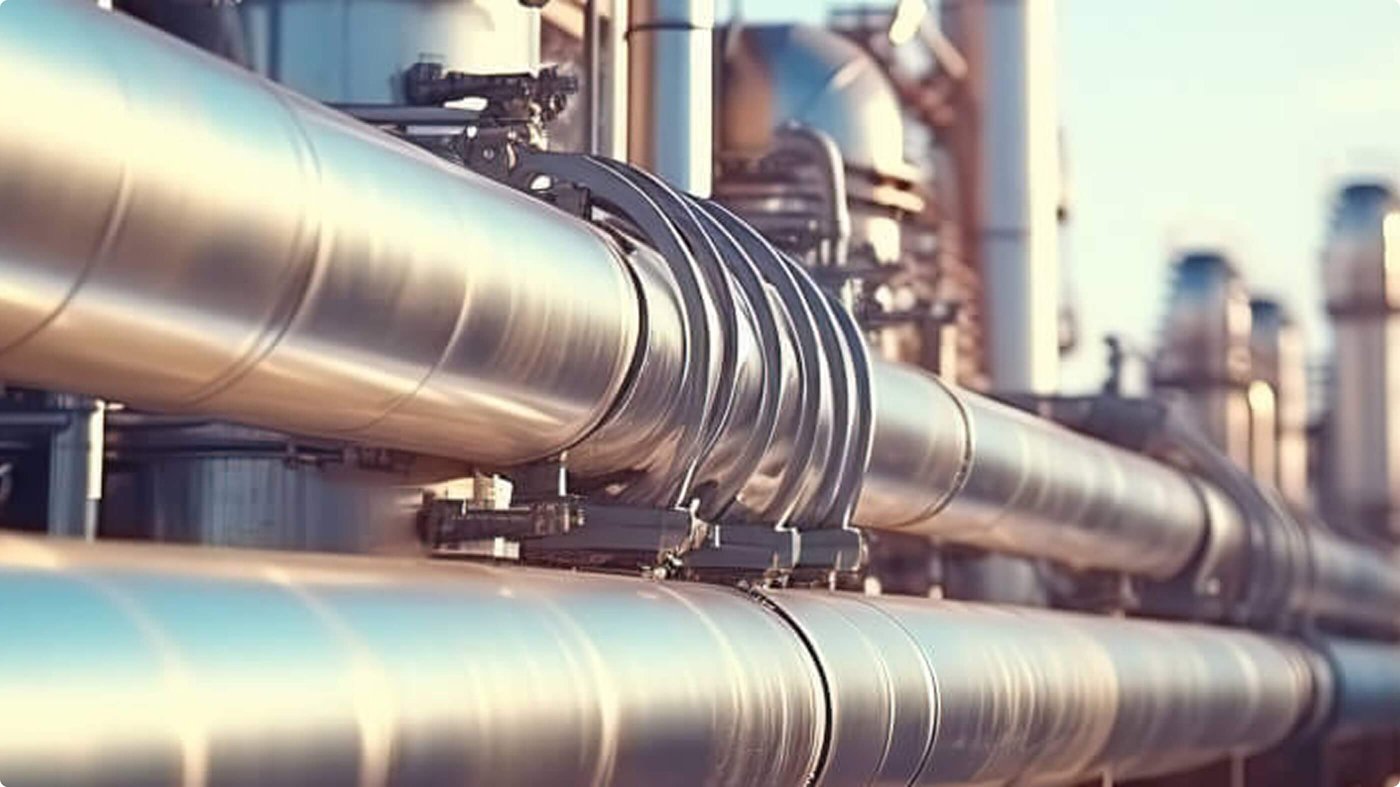
The Facilities. The Power. The Scale.
We don't talk about waste-to-energy—we own it. Permitted facilities across North America, converting what can't be recycled into clean electricity and steam for communities.

The Largest Fleet in North America
TTFs with Waste-to-Energy Technology
-
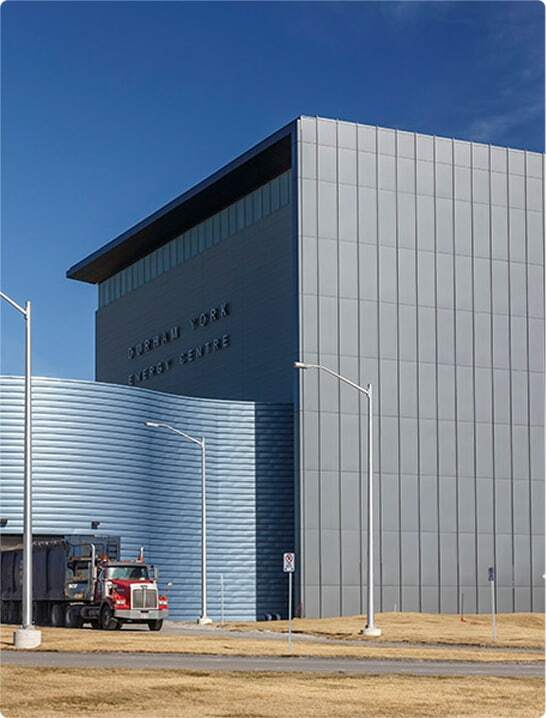
Reworld® owns and operates more thermomechanical treatment facilities (TTFs) with WTE technology than anyone else in North America. Permitted power plants generating electricity and delivering steam to local communities. The infrastructure exists and the capacity is available now.

Millions of Tons. Out of Landfills.
Tons processed annually and converted to energy
-
Every ton processed at a Reworld facility is a ton that doesn’t go to landfill. We process millions of tons of non-recyclable municipal and commercial waste annually, converting it to energy instead of burying it. Measurable diversion with complete documentation for your ESG reports.

Clean Electricity, Made From Waste
Generated powering homes and businesses from non-recyclable waste
-
Reworld TTFs with waste-to-energy technology generate enough electricity to power hundreds of thousands of homes. This is baseload renewable energy—available 24/7, not dependent on sun or wind. The power goes directly to local grids, reducing community dependence on fossil fuels.
We Execute. You Lead.
Reworld operates the infrastructure. You report the results. Here’s how the work divides.

Reworld executes:
- Design your WTE program
- Generate and deliver power
- Receive, process, convert
- Recover metals. Reuse residuals
- Report the outcomes
You lead:
- Set your targets
- Tell your story
- Maximize upstream recycling—WTE handles what’s left after reduce, reuse, recycle
- Integrate Reworld’s diversion and energy data into sustainability reports and ESG disclosures
- Manage collection logistics
Assess
Assess Your Waste. Measure Your Energy.
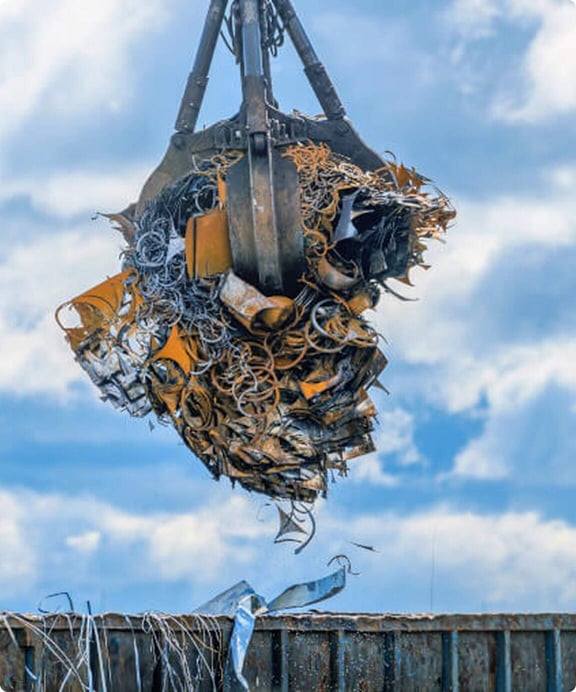
Not all waste has the same energy content. Our assessment analyzes your waste composition, volumes, and contract structure to determine how much of your non-recyclable stream can be processed through WTE at our TTFs —and what energy and diversion metrics you can report. We identify what’s currently going to landfill that shouldn’t be, and build a program that converts it to electricity instead.
- Analyze composition. Calculate energy potential.
- Identify diversion opportunities. Project the tonnage.
- Document outcomes for your ESG reports.
Execute
Waste In. Electricity Out.
Reworld thermomechanical treatment facilities combust non-recyclable waste at temperatures around 2,000°F, generating steam that drives turbines to produce electricity. We also provide steam directly to businesses and organizations. Advanced air pollution control systems ensure emissions meet or exceed all federal and state standards. Metals are recovered from the ash for recycling. The remaining ash can be processed for beneficial reuse. Nothing is unnecessarily landfilled.
- 2,000°F combustion. Continuous monitoring.
- Emissions far better than EPA standards.
- Metals recovered. Residuals reused.
Verify
Documented. Auditable. Yours.
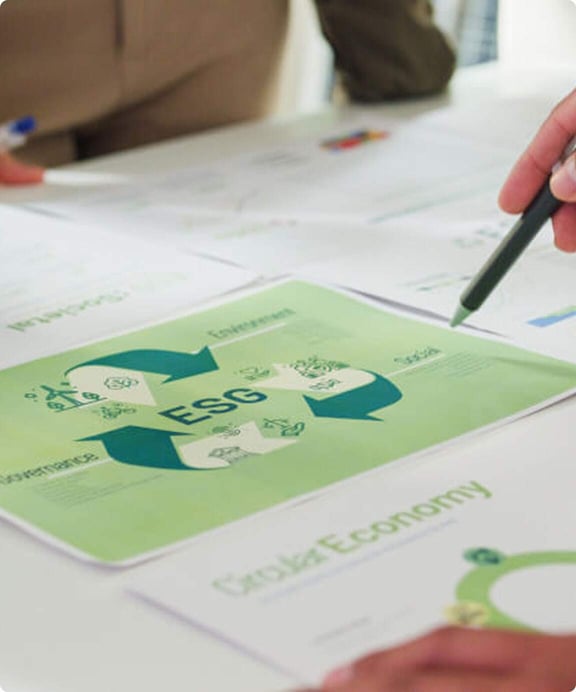
Every ton processed at a Reworld facility generates documented outcomes: megawatt-hours produced, tons diverted from landfill, metals recovered, and emissions data. For example, a typical municipal waste customer can report 10,000+ tons diverted annually and equivalent greenhouse gas reductions. These metrics feed directly into your corporate sustainability reports, CDP disclosures, and ESG frameworks. We don’t give you a sustainability narrative. We give you the numbers.
- Detailed reporting. By facility. By date.
- Diversion certificates. Offset documentation.
- Emissions data. Always available.
Proven Outcomes Across Every Industry
Your waste creates real impact when used for renewable energy recovery. These are the results customers like you have achieved.
A Complete Guide to Thermomechanical Treatment and Waste-to-Energy
Municipal Solid Waste
MSW processing at scale. Baseload electricity for local grids.


Institutional & Campus Operations
Institutional commitment. Powered by our facilities.
District Energy & Steam Customers
Steam for district energy. Powering communities.
Commercial & Industrial Waste
Industrial waste diverted. With documented metrics.