



Environmental compliance touches nearly every part of an industrial operation, often in ways that aren’t always obvious day to day. For example, air permits sit alongside equipment maintenance, while waste handling intersects with employee training. As a result, a missed inspection, an overlooked record, or a misunderstood requirement can quietly turn into a compliance issue long before anyone realizes it.
An environmental compliance audit is a way to find problems, bring clarity to regulatory obligations, confirm that controls are working as intended, and create consistency across facilities and teams. And the process requires more than just paperwork. Joseph Walsh, Sr. Director of Environmental at Reworld™, said that compliance depends on follow-through: “It’s not enough to get an approval and put it on a shelf. You actually have to read it, understand it, communicate what’s required, assign responsibility, and document that the work was done.”
This checklist is designed to support internal environmental compliance audits across core regulatory areas. While specific requirements vary by industry and jurisdiction, our framework reflects how experienced environmental teams evaluate risk, verify compliance, and identify opportunities to strengthen programs before issues escalate.
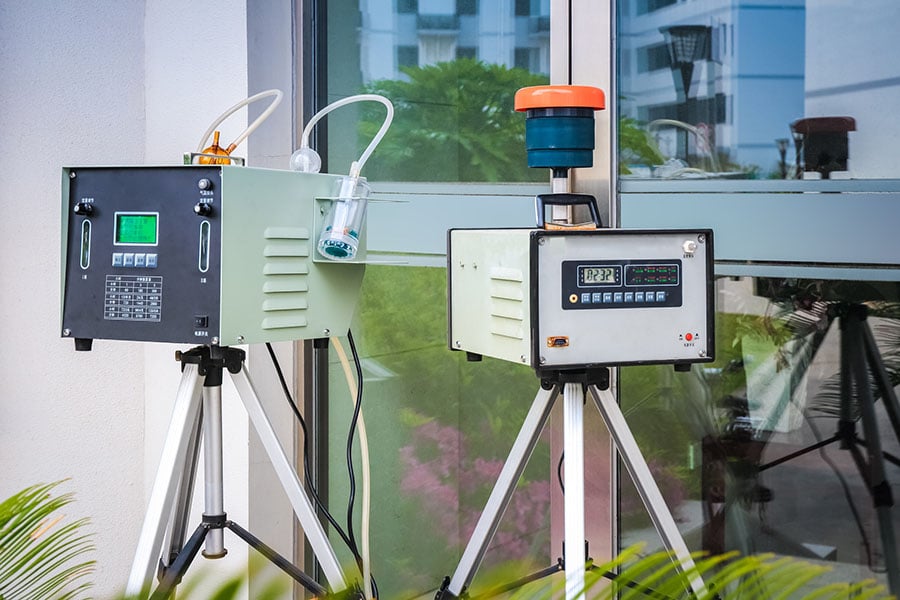
Air Quality and Emissions Compliance
Air quality requirements are often among the most detailed and closely scrutinized elements of an environmental compliance program. Facilities may be subject to federal standards under the U.S. Environmental Protection Agency’s (EPA) Clean Air Act, state-specific regulations, local air district rules, or a combination of all three. Audits in this area should focus on whether permitted limits are understood, monitored, and documented in practice, not just on paper.
An effective air compliance audit typically includes the following checklist items:
- Review all air permits and approvals: Confirm that permits are current, cover all emission sources at the facility, and accurately reflect existing operations. Changes in equipment, production rates, or materials can trigger permit modifications that are sometimes overlooked.
- Verify emissions limits and operational restrictions: Check that staff understand applicable emission limits, operating hours, throughput caps, fuel restrictions, and control requirements tied to each permit condition.
- Evaluate monitoring and testing activities: Confirm that required emissions monitoring, stack testing, or equipment inspections are performed according to the required timetable and using approved methods. Review recent test results for trends or anomalies.
- Review recordkeeping practices: Inspect logs, monitoring records, calibration documentation, and maintenance records to confirm they are complete, organized, and retained for the required time period.
- Confirm reporting obligations are met: Verify that all required air reports, certifications, and notifications have been submitted on time and that copies are retained onsite or electronically.
- Inspect air pollution control equipment: Observe control devices such as scrubbers, baghouses, or thermal oxidizers to confirm they are operating as intended. Review maintenance schedules and corrective action records for recurring issues.
- Assess change management processes: Determine whether the facility has a process to evaluate air permitting implications before making operational or equipment changes.
Air compliance issues often develop gradually, making regular internal reviews an important line of defense. Focusing on these areas during an audit helps organizations identify gaps early, particularly where operational practices have drifted from permit assumptions.

Water Quality and Wastewater Management
Water compliance often carries risk in places organizations do not expect. Even facilities that don’t process wastewater can fall under regulatory oversight due to stormwater runoff, equipment washdown, cooling systems, or site drainage. Because these activities are spread across the property and tied to daily operations, water-related compliance issues can develop quietly over time.
A strong water quality and wastewater audit looks at both documentation and physical conditions in the field. The goal is to confirm that permits, controls, and records align with how water flows through and off the site.
A focused review of water quality and wastewater compliance should examine the following areas:
- Review discharge permits and regulatory coverage: Confirm that all applicable permits are current, including National Pollutant Discharge Elimination System (NPDES) permits, state discharge permits, pretreatment requirements, and stormwater permit coverage. Verify that permit conditions reflect current operations, discharge points, and drainage patterns.
- Verify stormwater discharge points and drainage pathways: Walk the site to confirm that mapped outfalls, conveyances, and flow paths match permit documents and stormwater plans. Look for unauthorized discharge points, undocumented drainage changes, or cross connections.
- Inspect stormwater controls and best management practices: Evaluate structural and operational controls such as berms, inlet protection, separators, filtration systems, housekeeping practices, and material storage protections. Confirm controls are intact, maintained, and appropriate for site conditions.
- Check sampling and monitoring requirements: Confirm that required water sampling and monitoring activities are performed at the correct locations and frequencies using approved methods. Review laboratory reports, chain of custody records, and any follow-up investigations related to exceedances.
- Review inspection, maintenance, and corrective action records: Check routine stormwater inspection logs, outfall inspection reports, maintenance records for treatment systems, and documentation showing corrective actions were completed when issues were identified.
- Confirm reporting and recordkeeping practices: Verify that discharge monitoring reports, stormwater annual reports, certifications, and other required submittals were completed on time and retained for the required period.
- Evaluate exposure and spill risks: Identify areas where oils, chemicals, waste, or raw materials could come into contact with stormwater or surface water. Confirm that containment, covers, segregation of clean and dirty water, and spill response practices reduce exposure risk.
Water quality audits are most effective when they combine a document review with a comprehensive site walkthrough. Verifying conditions in the field helps catch small gaps early, before they lead to permit violations or enforcement actions.

Hazardous and Non-Hazardous Waste Management
Waste compliance often breaks down at the intersection of classification and day-to-day handling. Materials that appear similar may fall under very different regulatory requirements, and small errors in labeling, storage, or documentation can quickly escalate into larger compliance issues. Because waste is generated continuously, hazardous and non-hazardous materials requirements are one of the areas where drift is most likely to occur.
A waste management audit should follow each waste stream from the point of generation through storage, transport, and final disposal. The objective is to confirm that regulatory classifications, handling practices, and records remain aligned across the entire process.
An audit of hazardous and non-hazardous waste management should examine the following areas:
- Review waste determinations and classifications: Confirm that all waste streams have been evaluated and documented according to applicable federal and state definitions. Verify that determinations reflect current materials, processes, and formulations.
- Inspect waste accumulation and storage areas: Check container condition, compatibility, closed container practices, aisle spacing, and secondary containment where required. Verify that accumulation areas are clearly designated and managed according to applicable time limits.
- Verify labeling and identification practices: Confirm that containers are properly labeled with contents, hazard indicators, and accumulation start dates where required. Check for faded, missing, or inconsistent labels.
- Review manifesting and shipping documentation: Verify that hazardous waste manifests, land disposal restriction records, bills of lading, and disposal documentation are complete, accurate, and retained for the required period.
- Evaluate waste transportation and disposal practices: Make sure that approved transporters and permitted treatment, storage, or disposal facilities are used for each waste stream. Review approvals, contracts, and due diligence records if applicable.
- Observe waste handling practices in the field: Watch how waste is generated, transferred, staged, and prepared for shipment. Confirm that actual handling aligns with written procedures and training.
- Review contingency and spill response provisions: Verify that accumulation areas are equipped with appropriate spill response materials and that emergency access and signage are maintained.
A thorough hazardous and non-hazardous waste audit goes beyond paperwork. By observing handling practices and tracing waste from start to finish, organizations can identify inconsistencies early and reduce the risk of violations tied to misclassification or improper management.

Chemical Storage and Spill Prevention
Chemical storage is often one of the most visible indicators of an organization’s overall environmental discipline. Facilities may accumulate chemicals over time for operational convenience, maintenance needs, or seasonal use, which can lead to inconsistent storage practices and overlooked spill risks. It’s important to make sure that chemicals are stored intentionally and protected against releases under normal and abnormal conditions.
A chemical storage and spill prevention audit needs to evaluate how materials are inventoried, contained, and managed in day-to-day operations as well as how the facility would respond if a release occurred. It should examine the following areas:
- Review chemical inventories and safety data sheets: Confirm that the facility maintains an up-to-date chemical inventory and that safety data sheets are readily accessible to employees. Verify that inventory quantities align with spill prevention planning thresholds.
- Inspect chemical storage locations and conditions: Check storage areas for container integrity, proper closure, compatibility of stored materials, and protection from weather or physical damage. Look for signs of leaks, corrosion, damage, or improper stacking.
- Verify secondary containment systems: Confirm that secondary containment is in place where required and that it has adequate capacity, structural integrity, and compatibility with stored materials. Inspect for cracks, drains, or bypasses that could compromise containment.
- Review spill prevention, control, and countermeasure (SPCC) plans and documentation: If applicable, confirm that spill prevention plans reflect current equipment, product types, storage volumes, and site layout. Review inspection schedules, testing records, and plan update history.
- Assess spill response equipment and readiness: Verify that spill kits and response materials are stocked, accessible, and located near higher risk areas. Confirm that emergency equipment such as absorbents, drain covers, and personal protective equipment (PPE) are available.
- Evaluate employee awareness and response procedures: Talk with employees to confirm they understand spill response steps, internal notifications, and escalation procedures. Review training records related to spill prevention and response.
- Review spill history and corrective actions: Examine records of past spills, near misses, and corrective actions. Confirm that root causes were addressed and that fixes have remained in place over time.
A strong chemical storage audit reduces both environmental and operational risk by identifying weak points before a spill occurs. Regular reviews help keep storage practices consistent as inventories and site conditions change.
Environmental Permits and Regulatory Documentation
Environmental permits and regulatory documents define the conditions under which a facility is allowed to operate. Over time, however, operations evolve, equipment is modified, and processes change. When permits and documentation are not revisited regularly, gaps can form between what is authorized on paper and what is happening in practice. Therefore, an audit in this area should focus on whether regulatory documents are current, complete, and actively used to guide operations rather than treated as static forms.
An environmental permits and regulatory documentation audit should examine the following areas:
- Compile and verify a complete permit inventory: Confirm that all applicable permits, approvals, plans, and registrations are identified, including air, water, waste, stormwater, spill prevention, and any local authorizations. Check that older or superseded permits are clearly marked and archived.
- Confirm permit status and renewal tracking: Verify that permits are active and that renewal and reporting deadlines are tracked with assigned responsibility. Review recent agency correspondence for pending changes or additional obligations.
- Compare permit conditions to current operations: Validate that equipment, production rates, materials, and processes align with what permits authorize. Identify operational changes that may trigger permit modifications or notifications.
- Review required reports, certifications, and submittals: Confirm that recurring reports, certifications, and notifications have been submitted on time and that supporting records are retained in an organized manner.
- Evaluate interpretation and guidance documentation: Review how ambiguous permit language or regulatory requirements are interpreted internally. Confirm that agency guidance, clarifications, or internal decisions are documented and applied consistently.
- Assess document accessibility and awareness: Verify that permits and key regulatory documents are accessible to those responsible for compliance and operations, and that expectations are communicated clearly.
Well-organized permit and documentation management bridges the gap between regulatory language and day-to-day execution, making compliance more repeatable and easier to sustain. As Walsh explains, “There’s an awful lot of interpretation that goes on when you’re reading a specific permit or compliance obligation.” Documenting those interpretations and aligning them with operational practices helps reduce confusion and improve consistency across facilities.

Training, Policies, and Employee Awareness
Environmental compliance programs ultimately succeed or fail based on how well expectations are understood at the employee level. Permits and procedures may be technically sound, but if training is outdated, unorganized, inconsistent, or disconnected from daily tasks, compliance gaps can emerge quickly.
A training and awareness audit should examine whether employees know what is expected of them, where to find guidance, and how to respond when issues arise. It should examine the following:
- Review training requirements by role: Confirm that required environmental training is clearly defined for operators, maintenance staff, supervisors, managers, and contractors where applicable.
- Check training records and completion status: Verify that required training has been completed on schedule, including refresher training, and that records are current and organized.
- Evaluate written procedures and accessibility: Confirm that environmental procedures are current, practical, and accessible where work is performed. Check whether procedures reflect actual site practices.
- Assess employee understanding through interviews: Talk with employees to gauge their understanding of key compliance responsibilities such as waste handling, spill response, inspections, and recordkeeping.
- Review communication and escalation processes: Verify that employees know how to report environmental concerns internally and understand escalation and notification procedures.
- Evaluate contractor and temporary worker controls: Confirm that non-employee personnel working onsite receive appropriate environmental orientation and understand site-specific requirements.
Training and awareness audits help identify disconnects between written programs and real-world execution. When employees understand both the requirements and the reasoning behind them, compliance becomes part of routine operations rather than a separate task.
Equipment, Controls, and Infrastructure
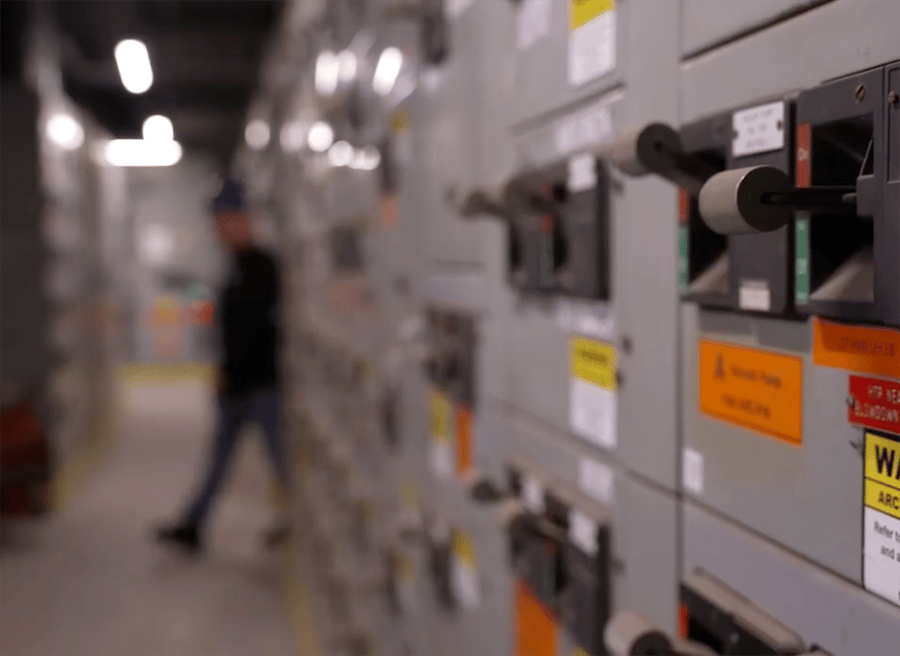
Many environmental requirements rely on physical systems working as designed. Pollution control equipment, monitoring devices, containment structures, and operational safeguards are often the last line of defense between normal operations and a compliance issue. When maintenance slips or equipment performance changes, risk can increase without obvious warning signs.
An audit in this area should connect regulatory obligations to the actual condition and operation of equipment and infrastructure in the field. Review the following areas:
- Inspect pollution control equipment: Verify that control devices such as scrubbers, baghouses, separators, treatment systems, and filtration units are operating as intended. Look for visible damage, bypass conditions, or operational alarms.
- Review maintenance and inspection records: Check preventive maintenance schedules, inspection logs, work orders, and repair histories. Confirm that recurring issues are identified and addressed.
- Verify monitoring and instrumentation performance: Confirm that monitoring devices are calibrated, functioning, and used as required. Review calibration records and data trends where applicable.
- Inspect physical safeguards and containment features: Evaluate berms, curbing, drain covers, shutoff valves, alarms, interlocks, and secondary containment systems designed to prevent releases.
- Assess operational controls and procedures: Verify that operating limits, startup and shutdown procedures, and control setpoints align with permit conditions and manufacturer specifications.
- Review management of change practices: Confirm that equipment modifications, replacements, or process changes are evaluated for environmental impact before implementation.
Equipment-focused audits help surface issues that may not appear in reports or records. By examining both condition and performance, organizations can identify emerging problems early and maintain control over compliance-related infrastructure.
Emergency Response and Incident Management
Emergency response planning is a practical test of whether an environmental compliance program holds up under pressure. When a spill, release, or unexpected event occurs, organizations must be able to respond quickly, communicate clearly, document actions, and meet regulatory reporting requirements.
An audit in this area should evaluate both preparedness and follow-through, from written plans and training to how past incidents were handled and documented. Too often, gaps in preparedness become visible only after an incident, which makes proactive audits especially valuable.
Emergency response and incident management audits should consider the following areas:
- Review emergency response plans and procedures: Confirm that plans are current, site specific, and aligned with actual hazards, materials, and equipment. Verify that response roles and responsibilities are clearly defined.
- Verify internal and external reporting procedures: Confirm that employees understand who to notify internally, when regulatory agencies must be contacted, and what information must be provided. Review reporting timelines and documentation requirements.
- Evaluate spill response equipment and resources: Inspect spill kits, response supplies, and emergency equipment to verify availability, condition, and placement near higher risk areas.
- Check training and drills: Verify that employees receive appropriate emergency response training and that drills or tabletop exercises are conducted where applicable. Review lessons learned and follow-up actions.
- Review past incidents and near misses: Examine incident reports, root cause analyses, and corrective actions. Confirm that corrective measures were completed and sustained.
- Assess coordination with external responders: Verify that emergency contact information for local responders is current and that site access and coordination expectations are understood.
Emergency response audits strengthen readiness by validating that plans work in practice, not just on paper, and that incidents are managed consistently from response through closure. And as Walsh notes, audits are most effective when they are collaborative rather than punitive. “You don’t want people to perceive that you’re out to catch them doing something wrong. You want to work with them to identify concerns and help them get into compliance.”

Contact Reworld™ Today for Help with Environmental Compliance
Environmental compliance audits are most effective when they are structured, repeatable, and grounded in real operations. A clear checklist brings consistency to the audit process, helps teams identify gaps early, and creates accountability across permits, equipment, and day-to-day practices. Over time, this approach supports stronger compliance performance and reduces both regulatory and reputational risk.
At Reworld™, we work with organizations across industries to support responsible, compliant environmental and waste management practices. Whether you need help interpreting regulatory requirements, strengthening internal compliance programs, or navigating complex waste and environmental obligations, our team can provide practical guidance grounded in real-world experience.
Contact us today to learn about our sustainable waste solutions and start a conversation about your environmental compliance needs.